




17 September 2026
|
8:10:45
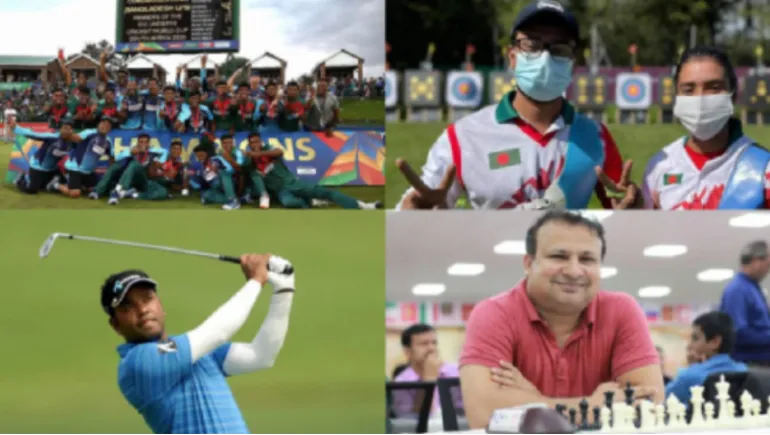
Sports in Bangladesh have never been more dynamic, more diverse, or more professionally organized than they are in 2026. While cricket remains the undisputed king of Bangladeshi sporting culture, a broader sports ecosystem is taking shape fueled by growing investment, expanding media coverage, grassroots development, and a generation of young Bangladeshis who engage with global sports culture with genuine passion and sophistication.
Cricket is not merely a sport in Bangladesh it is a cultural institution that shapes national mood, drives media consumption, and generates the kind of passionate collective experience that few other shared activities can replicate. In 2026, Bangladesh cricket continues to mature at both the national team and franchise level.
The Bangladesh Premier League (BPL) has strengthened as a domestic franchise competition, attracting international players of genuine quality and providing young Bangladeshi cricketers with regular exposure to high-intensity professional cricket environments. The BPL's growth reflects a broader trend toward professional cricket infrastructure better training facilities, more sophisticated coaching approaches, and analytics-driven team management practices.
The Bangladesh national team's continued development in Test cricket historically the format where Bangladesh faced the steepest learning curve represents one of the most encouraging trends in the country's sporting landscape.
Football's growth in Bangladesh deserves recognition as one of the most significant sporting developments of the past three years. The Bangladesh Football Premier League has improved in quality and organization, and the national team's performance in regional competitions has generated genuine fan engagement.
Youth football development programs, supported by both the Bangladesh Football Federation and private sponsors, are identifying and developing talent more systematically than previous generations. The global success of football particularly the continued explosive growth of the Premier League's following in Bangladesh is converting casual interest into active participation and support for domestic football.
The rise of women's sports in Bangladesh is arguably 2026's most socially meaningful sports story. The Bangladesh women's cricket team has achieved international performances that have earned genuine national pride and media attention. Women's football, archery, and athletics are producing competitive national-level athletes who are increasingly visible as role models for young girls across the country.
Government policy support, NGO investment in women's sports development, and shifting cultural attitudes toward female athletic participation are collectively creating conditions for sustained growth that would have been difficult to predict even five years ago.
Competitive gaming covered in detail elsewhere in this series is redefining what "sports participation" means for younger Bangladeshis. Alongside esports, badminton, table tennis, and chess are experiencing participation growth driven by urban infrastructure improvements, school sports programs, and the availability of low-cost competitive opportunities.
These indoor sports offer particular advantages in Bangladesh's climate and urban density context they require less infrastructure than outdoor sports and are accessible year-round regardless of monsoon conditions.
Private investment in sports infrastructure is growing. Commercial gyms, sports academies, indoor sports complexes, and professional sports management companies are creating an ecosystem that supports athlete development more comprehensively than government resources alone could achieve.
Sponsorship from telecommunications companies, financial services brands, and consumer goods companies reflects growing commercial confidence in sports as a marketing vehicle a confidence that, in turn, funds better competitions, better facilities, and better pathways for talented athletes.
The trajectory is genuinely positive. More sports, more professional organization, more female participation, more commercial investment, and a more sophisticated sports media landscape are all developing simultaneously. Bangladesh's sporting culture in 2026 is broader, deeper, and more professionally structured than at any point in the country's history and the foundation being built now will define the next decade of sporting achievement.












Comments
There are no comments for this Article.