




03 August 2026
|
8:10:45
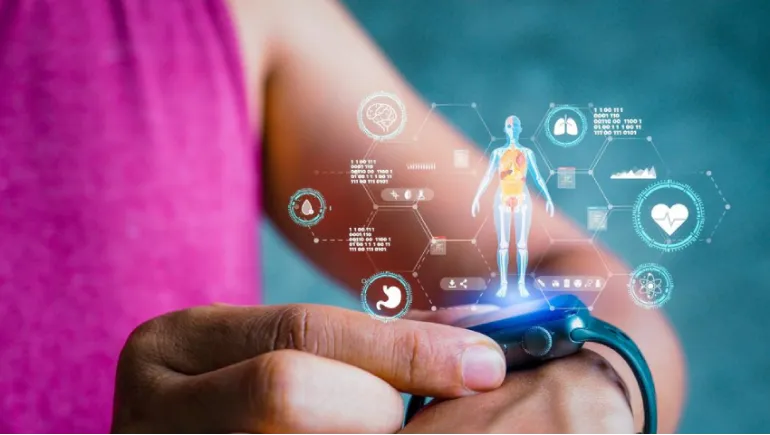
The gap between elite athletic performance and everyday fitness is narrowing faster than at any point in sports history and fitness technology is the primary reason why. In 2026, the performance monitoring tools that were exclusive to professional sports franchises five years ago are now available in consumer wearables worn by recreational runners, gym-goers, and youth athletes across Bangladesh and around the world. Understanding these technologies and how to use them effectively can meaningfully improve training outcomes at every level.
Fitness wearables have evolved dramatically from basic step counters into sophisticated biometric monitoring systems. Contemporary devices measure heart rate continuously and with clinical-grade accuracy, track sleep quality and recovery metrics, estimate VO2 max and training load, monitor blood oxygen saturation, detect stress levels through heart rate variability analysis, and provide GPS-based performance metrics for outdoor training.
This data, intelligently interpreted, provides insights into physical performance and recovery that were previously available only through expensive laboratory testing or professional sports science teams.
For most athletes and fitness enthusiasts, a quality smartwatch is the highest-impact fitness technology investment available.
Garmin Forerunner Series remains the benchmark for serious runners and multisport athletes. Its GPS accuracy, training load analysis, race prediction features, and battery life set a standard that competitors struggle to match. For Bangladeshi runners training for distance events or monitoring training progression systematically, Garmin's ecosystem of performance metrics provides genuine analytical depth.
Apple Watch Series has evolved into a genuinely capable sports and health monitoring device. For users already within the Apple ecosystem, its seamless integration with health data, ECG monitoring, and comprehensive activity tracking make it a versatile all-around choice that serves both fitness and everyday smartphone extension functions.
Samsung Galaxy Watch offers strong Android integration, solid fitness tracking capabilities, and competitive pricing making it a well-rounded option for Bangladeshi users seeking capable fitness monitoring without premium pricing.
Xiaomi Smart Band series delivers surprisingly capable heart rate monitoring, sleep tracking, and activity data at a price point accessible to a much wider market. For users beginning their fitness tracking journey, Xiaomi's bands offer excellent entry-level functionality.
For cyclists, football players, and outdoor athletes, dedicated GPS sports trackers provide performance metrics speed, distance, route mapping, elevation, and pace analysis that help athletes understand their performance quantitatively rather than relying purely on subjective perception.
This data is particularly valuable for identifying performance trends over time, ensuring training progression, and recognizing early warning signs of overtraining before injury occurs.
Elite sports science has firmly established that recovery quality determines how effectively training adaptations occur. Fitness technology is increasingly focused on recovery optimization alongside performance monitoring.
Smart sleep trackers analyze sleep stages, identify disruptions, and provide actionable recommendations for improving sleep quality the single most important recovery variable for athletes. Heart rate variability monitoring provides daily readiness scores that guide training intensity decisions, preventing the overtraining that undermines progress and increases injury risk.
Percussion massage devices increasingly affordable and widely available in Bangladesh through online retail support muscle recovery between training sessions and have become standard in both professional and amateur athletic routines.
Smart water bottles that track hydration throughout the day and alert users to drink more are among the simpler but genuinely impactful fitness technology innovations for athletic performance. Dehydration of even 2% of body weight measurably impairs physical and cognitive performance and most people are chronically mildly dehydrated without awareness.
Nutrition tracking applications that integrate with wearable activity data to calculate caloric needs, macronutrient targets, and micronutrient gaps provide the dietary precision that supports serious athletic development.
The most important principle is matching technology to your specific goals and training context. A serious competitive runner needs different capabilities than a general fitness enthusiast or a team sport athlete. Before purchasing, identify the two or three performance variables most relevant to your goals and select the device that measures those variables most accurately and actionably.
Avoid the trap of purchasing maximum features at premium prices if your training does not yet require that sophistication. A device you use consistently and understand thoroughly outperforms a more sophisticated device used superficially every time. Start with what you need, use it fully, and upgrade as your training demands evolve.












Comments
There are no comments for this Article.