




02 August 2026
|
8:10:45
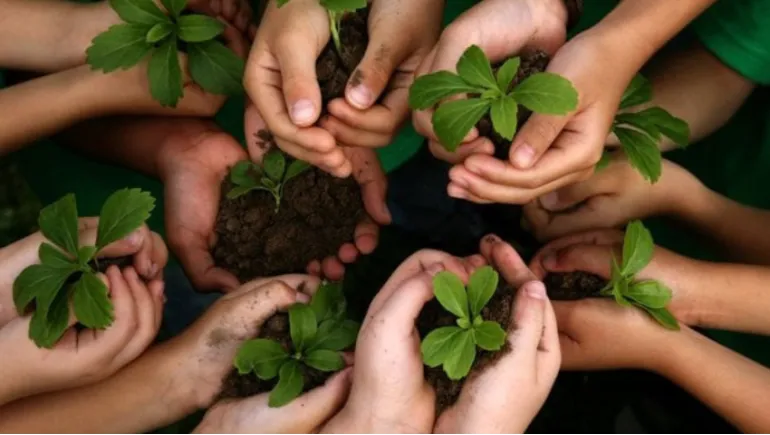
Climate change is no longer an abstract future concern its effects are present, measurable, and in Bangladesh's case, deeply personal. As one of the countries most vulnerable to rising sea levels, intensifying cyclones, river erosion, and monsoon disruption, Bangladesh has a unique and urgent stake in the global transition to sustainable living. Individual lifestyle choices, aggregated across millions of households, are a meaningful part of that transition and they come with personal benefits that make them worth adopting entirely apart from environmental motivation.
Bangladesh's environmental vulnerability is exceptional. An estimated 17% of the country's land area could be submerged by 2050 under moderate sea-level rise projections. Dhaka is already experiencing deteriorating air quality, severe plastic pollution in waterways, and urban heat island effects that make extreme heat increasingly dangerous.
These are not distant consequences they are lived realities. The transition to sustainable living in Bangladesh is both a global responsibility and a profoundly local act of self-interest and community care.
Bangladesh was among the first countries in the world to ban thin polythene bags a pioneering policy that unfortunately has been inconsistently enforced. At the individual level, committing to genuinely eliminating single-use plastic from daily life is the highest-impact accessible environmental action most people can take.
Carry a reusable fabric shopping bag consistently. Use a refillable water bottle rather than purchasing bottled water. Choose products with minimal packaging where alternatives exist. These are small behavioral adjustments with genuinely significant cumulative impact when practiced consistently across households.
Food production particularly meat and dairy accounts for a substantial share of global greenhouse gas emissions and freshwater consumption. A dietary shift toward more plant-based foods does not require eliminating meat entirely. Reducing meat consumption by even two or three days per week produces measurable environmental benefit while typically reducing food costs and improving dietary health markers simultaneously.
Bangladesh's food culture is naturally conducive to plant-forward eating dal, vegetables, fish, and rice form the foundation of traditional Bangladeshi cuisine. Reinforcing these traditional dietary patterns rather than adopting meat-heavy Western eating habits is both culturally authentic and environmentally constructive.
The most sustainable product is the one that is never produced. The second most sustainable product is the one that lasts for decades rather than months. Prioritizing durable, high-quality goods over cheap, disposable alternatives reduces the frequency of replacement, the total resources consumed over a lifetime, and the waste generated when products fail prematurely.
This applies to clothing, electronics, furniture, and household goods equally. A well-made cotton garment worn for five years has a fraction of the environmental footprint of ten cheap fast-fashion alternatives that each last six months.
Household energy consumption is both an environmental and financial concern for Bangladeshi households navigating electricity costs and occasional supply unreliability. Simple energy-reduction habits switching off appliances at the socket rather than leaving them on standby, using energy-efficient LED lighting throughout the home, maximizing natural ventilation before reaching for air conditioning, and using ceiling fans as the primary cooling tool reduce electricity bills and carbon footprint simultaneously.
If solar panel installation is accessible, rooftop solar in Bangladesh's high-sunshine climate offers strong return on investment while contributing to grid independence and emissions reduction.
Consumer purchasing decisions are votes for the kind of economy and supply chain you want to live within. Choosing locally produced food from farmers' markets, supporting Bangladeshi brands with transparent sustainability commitments, and selecting artisan-made products over mass-imported alternatives directs economic activity toward production practices with lower environmental footprint and higher social benefit.
Sustainable living is not a binary destination it is a direction of travel. Begin with one change that genuinely fits your current life without requiring heroic effort. Maintain it until it becomes habitual, then add another. Progress matters far more than perfection, and the aggregated impact of consistent, modest changes across daily life is genuinely significant.
The cumulative choices of its citizens shape Bangladesh's environmental future and the wellbeing of its people. Sustainable living in 2026 is not a sacrifice. It is a daily practice of care for the country, the community, and the generation that will inherit the consequences of the choices being made right now.












Comments
There are no comments for this Article.