




03 August 2026
|
8:10:45
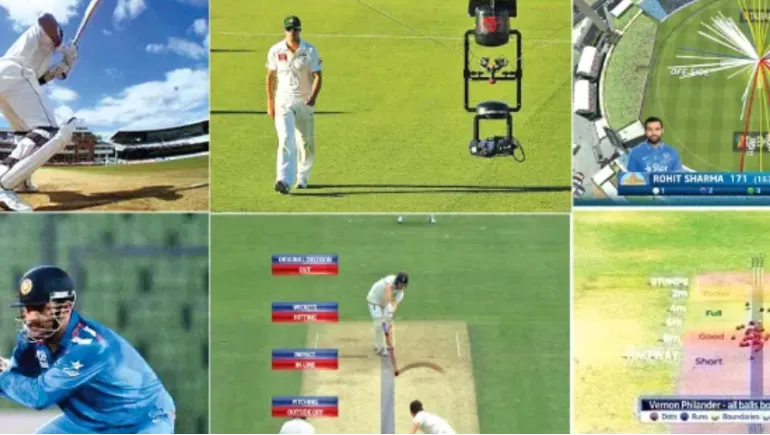
Cricket has always been a sport deeply interested in data averages, strike rates, economy rates, and head-to-head records have been part of cricket's analytical culture for generations. But the technology transforming cricket analytics in 2026 goes far beyond traditional statistics. Artificial intelligence, ball-tracking systems, biomechanical analysis, and real-time performance monitoring are giving teams, coaches, and players insights of a depth and precision that are fundamentally changing how cricket is prepared for, played, and understood.
Hawk-Eye ball-tracking technology originally introduced to support Decision Review System (DRS) officiating has evolved into one of cricket's most powerful analytical tools. Its ability to track every delivery's trajectory, speed, seam position, and predicted path provides bowlers and coaches with granular data on bowling patterns that was previously impossible to quantify precisely.
Coaches can now analyze exactly which areas a bowler is hitting on the pitch most frequently, identify subtle variations in release point that correlate with expensive deliveries, and compare a bowler's current patterns against their historical best performances to identify and correct technical drift before it becomes entrenched.
For batters, the same system maps scoring zones with precision identifying where runs are being scored, where false shots are being played, and how specific bowlers are attacking particular batters' weaknesses.
AI-powered analytics platforms are transforming team selection and match strategy in high-performance cricket environments. By processing enormous volumes of historical performance data head-to-head records between specific batters and bowlers, performance under various pitch and weather conditions, form trajectories these systems provide probability-based insights that support coaching staff decision-making.
AI matchup analysis now informs bowling changes, batting order decisions, and field placement strategies with a statistical rigor that supplements rather than replaces experienced coaching intuition. The most effective use of AI analytics is as a sophisticated second opinion that challenges assumptions and surfaces patterns that human observation alone might miss.
GPS and heart rate monitoring vests worn during training sessions provide coaching staff with real-time data on each player's physical exertion, distance covered, sprint intensity, and recovery metrics. This information is invaluable for managing training loads intelligently ensuring players develop fitness without accumulating the fatigue that predisposes to injury.
For Bangladesh's national team and BPL franchise teams, load management is particularly important given the demanding international cricket schedule and the physical demands of playing in Bangladesh's climate. Data-driven load management is enabling teams to keep key players fit across long tournaments and touring schedules more successfully than traditional intuition-based management allowed.
High-speed camera systems capturing bowling actions and batting techniques at hundreds of frames per second, combined with motion analysis software, allow coaches to examine player biomechanics with a precision that was previously available only in research laboratory settings.
For fast bowlers, biomechanical analysis identifies technical factors that increase both injury risk and performance ceiling helping coaches develop bowling actions that are simultaneously more efficient, more effective, and more sustainable over long careers. The relationship between bowling action biomechanics and injury vulnerability is well-established in sports science literature, and teams with access to this analysis can make evidence-based technical adjustments before career-threatening injuries occur.
Given Bangladesh's tradition of producing high-quality spin bowlers and the sub-continental pitches that make spin bowling central to domestic cricket the advanced analytics now available for spin bowling deserve specific mention.
Ball-tracking data combined with wrist and finger position analysis from high-speed cameras provides spin coaches and bowlers with precise information about revolutions per minute, drift, and turn variation that quantifies previously intuited elements of spin bowling craft. Understanding exactly what physical actions produce what spin characteristics enables more precise technical development.
Historically, advanced cricket analytics were available only to the wealthiest franchises and national teams. In 2026, cloud-based analytics platforms, affordable high-speed cameras, and consumer-grade wearable technology are making meaningful data-driven coaching accessible to domestic competitions, youth academies, and club cricket levels.
For Bangladesh cricket's development pipeline from club cricket through the National Cricket League to the BPL and national team this democratization of analytics tools means talent can be identified and developed more effectively at every level of the system.
Technology is not making cricket less human. It is making the human elements of cricket skill, strategy, mental strength, and teamwork more precisely understood, more thoughtfully developed, and more consistently expressed at the highest level. For Bangladesh cricket, embracing these tools represents a clear and accelerating pathway toward sustained international competitiveness.












Comments
There are no comments for this Article.