




02 August 2026
|
8:10:45
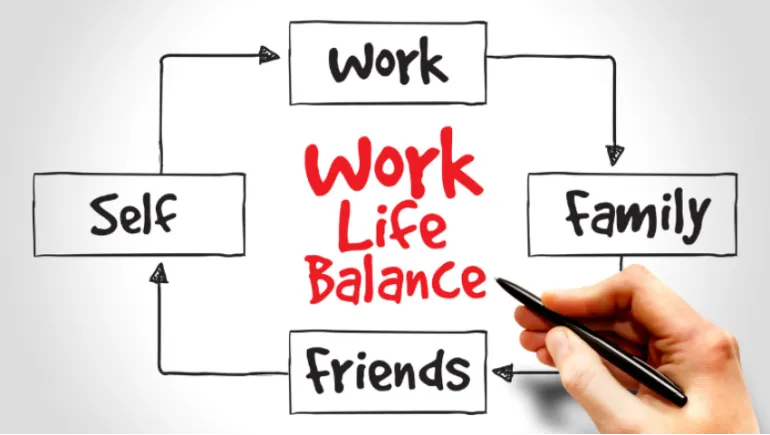
The boundary between work and personal life has never been more blurred or more contested than it is in 2026. Smartphones that deliver work emails at midnight, collaboration tools that make availability feel obligatory around the clock, and remote work arrangements that place offices inside homes have collectively created a work culture where genuine rest full, uninterrupted disconnection from professional demands has become difficult to achieve and, for many people, difficult even to justify.
The consequences are measurable and serious. Chronic overwork without adequate recovery produces burnout, declining productivity, damaged relationships, and significant physical health consequences. Reclaiming genuine work-life balance in the digital era is not an indulgence it is a professional and personal necessity.
The digital tools that have made work more flexible and productive have simultaneously made disengagement from work more difficult. Email notifications, instant messaging platforms, and cloud-based work tools follow workers everywhere. The psychological pressure of constant availability whether explicitly demanded by employers or self-imposed creates a state of perpetual low-level work engagement that prevents genuine mental recovery.
For Bangladeshi professionals navigating demanding work cultures, family obligations, urban commuting, and the expectation of constant digital responsiveness, the cumulative cognitive and emotional load is substantial.
The foundational work-life balance strategy is defining specific work hours and protecting them as firmly as you protect important meetings. Communicate your working hours clearly to colleagues and managers. Outside those hours, do not respond to non-urgent messages and resist the impulse to check whether anything requires response.
This is not about being unresponsive. It is about creating the predictable structure that allows both genuine work engagement during work hours and genuine rest outside them. Research consistently shows that workers who maintain clear work-hour boundaries are more productive during their defined hours than those who are nominally always available but perpetually distracted.
For remote and hybrid workers, physical separation between work and living space is a powerful psychological anchor. If possible, designate a specific area of your home as your workspace even a dedicated desk rather than the sofa or dining table and maintain the discipline of working only in that space.
Transition rituals a short walk at the end of the workday, changing clothes, a specific activity that marks the shift from work mode to personal time help the brain disengage from work cognition more effectively than simply closing a laptop.
The average smartphone user receives dozens of work-related notifications outside working hours each week. Each notification even one that is ignored creates a brief but real mental interruption that fragments personal time and prevents genuine psychological recovery.
Use your phone's focus and do-not-disturb features to silence work applications outside working hours. Remove work email applications from your personal phone if your role allows it. The temporary discomfort of being less immediately reachable is far outweighed by the cognitive and emotional recovery that genuine disconnection enables.
Rest is not simply the absence of work it is an active process that requires deliberate engagement with restorative activities. Physical exercise, time in nature, face-to-face social connection, creative hobbies, and adequate sleep are all evidence-backed recovery activities that restore the cognitive and emotional resources that work consumes.
Schedule these activities with the same intentionality you apply to professional commitments. Leaving recovery to the gaps between work obligations means recovery consistently loses to work expansion. Protecting recovery time in your calendar treats it as the priority it genuinely is.
Individual strategies are necessary but insufficient when overwork is embedded in workplace culture or organizational expectations. Having direct, honest conversations with managers about workload sustainability, reasonable availability expectations, and the relationship between sustainable work practices and long-term performance quality creates the conditions for structural improvement.
Organizations that model genuine respect for employee recovery where leaders visibly disconnect outside hours and do not send non-urgent messages late at night produce more sustainably high-performing teams than those that celebrate relentless availability.
Work-life balance in the digital era is not something that happens naturally it must be actively designed, communicated, and protected. The professionals who do this consistently are not less committed to their work. They are more sustainably effective at it, and significantly healthier in the process.












Comments
There are no comments for this Article.