




02 August 2026
|
8:10:45
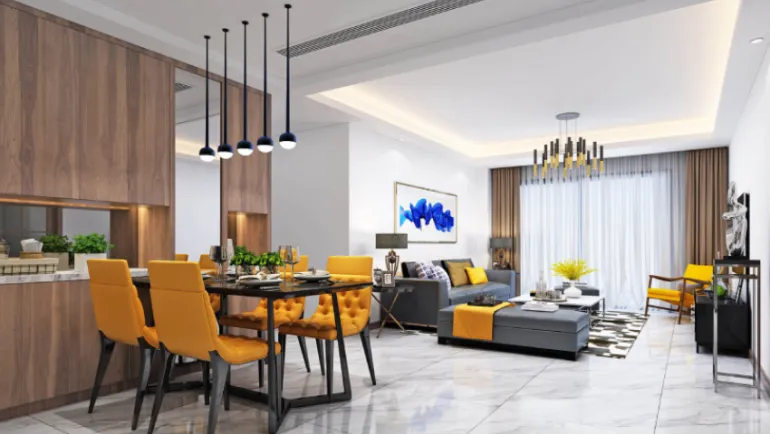
How we design our living spaces has never mattered more. With remote and hybrid work making homes the center of both professional and personal life, the quality of our domestic environments directly affects productivity, mental health, and daily satisfaction. Bangladesh's interior design scene in 2026 reflects a sophisticated blend of global trends adapted to local climate, culture, and spatial realities and the results are genuinely exciting.
Well-designed spaces are not a luxury they are a practical investment in daily wellbeing. Natural light, thoughtful spatial organization, comfortable furniture proportioned to actual room dimensions, and a considered color palette all demonstrably affect mood, energy, and focus. For Bangladeshi households where apartments are the dominant urban housing format, making intelligent use of limited square footage is both an aesthetic and a functional challenge.
Biophilic design incorporating natural elements, materials, and living plants into interior spaces is the single most influential global design trend of 2026, and it translates exceptionally well to Bangladesh's climate and botanical richness.
Indoor plants from low-maintenance pothos and snake plants to statement fiddle-leaf figs improve air quality, reduce stress, and add visual warmth that no synthetic material can replicate. Natural wood furniture, rattan accents, stone surfaces, and jute textiles bring organic texture into rooms that might otherwise feel sterile.
In Bangladesh's warm, humid climate, many tropical plant varieties thrive indoors with minimal care, making biophilic design both accessible and genuinely suited to local conditions.
The stark white walls that dominated minimalist interior design for a decade are giving way to warmer, earthier tones terracotta, warm sand, deep ochre, olive green, and soft clay. These colors create rooms that feel genuinely warm and inviting rather than clinically spare.
For Bangladesh's urban apartments, where natural light varies significantly between units, warm tones compensate effectively for lower-light conditions while creating the comfortable, enveloping atmosphere that residents increasingly seek in their homes.
Dhaka's apartment reality is that space is expensive and often limited. The design response is intelligent multifunctional furniture beds with integrated storage, dining tables that expand for hosting and contract for daily use, modular shelving systems that serve as both storage and room dividers, and home office setups that fold away completely when the workday ends.
Well-designed multifunctional furniture is not a compromise it is a design discipline that produces cleaner, more purposeful spaces than conventional furniture arrangements in similarly sized rooms.
A strong counter-movement to mass-produced, imported home furnishings is gaining momentum in Bangladesh's design community. Local artisans producing handwoven textiles, hand-thrown ceramics, wooden furniture, and decorative metalwork are finding a growing market among homeowners who want spaces that feel distinct, culturally rooted, and authentically personal.
Supporting locally made interior elements is simultaneously an aesthetic choice handcrafted pieces carry the visual warmth and individuality that machine production cannot replicate and a meaningful economic decision that supports Bangladeshi artisan communities.
Technology integration in home design has matured from ostentatious gadgetry to seamless, aesthetically invisible functionality. Smart lighting controlled by smartphone or voice, concealed cable management, built-in charging infrastructure, and discreet speaker systems allow modern convenience without visual clutter.
The design principle is that technology should serve the space without dominating it enhancing functionality while preserving the warmth and humanity of a well-designed home environment.
Start with paint and plants the two highest-impact, lowest-cost improvements available to any space. A thoughtful paint color and well-placed greenery transform a room's atmosphere before any furniture purchase is necessary.
Invest in fewer, higher-quality furniture pieces rather than filling space with lower-quality items. One well-made sofa, properly proportioned for the room, delivers more visual and functional value than three cheaper alternatives crowded together.
Finally, design for how you actually live rather than for an aspirational lifestyle you do not practice. The most beautiful and functional home is one designed around the genuine needs, habits, and aesthetics of the people who actually inhabit it.












Comments
There are no comments for this Article.