




02 August 2026
|
8:10:45
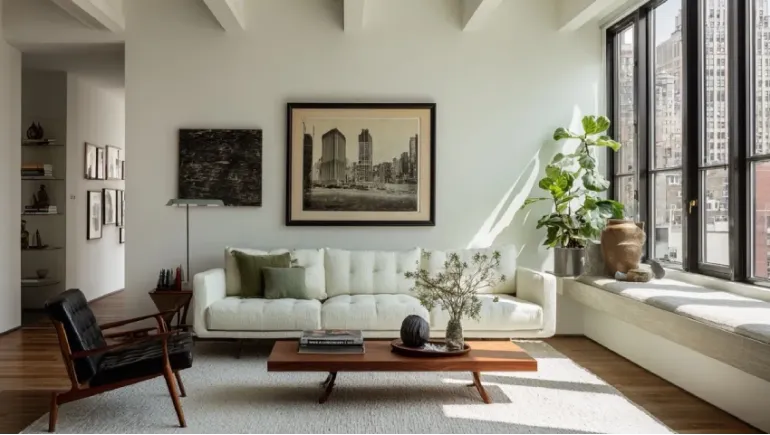
In a world that relentlessly encourages acquiring more more things, more commitments, more digital stimulation minimalism has emerged as a deliberate and increasingly popular counter-movement. Minimalist living is not about deprivation or empty white rooms. It is about intentionally removing what does not add genuine value to your life so that what remains relationships, purpose, health, creativity receives the full attention it deserves.
In 2026, with digital overload, economic pressure, and environmental awareness all at historic highs, simplifying your life is less a lifestyle trend and more a practical act of self-preservation.
Minimalism is the intentional practice of keeping only what serves a clear purpose or brings genuine value, and releasing everything else. It applies to physical possessions, digital habits, social commitments, and mental patterns equally.
It does not prescribe a specific number of possessions or a particular aesthetic. A minimalist in Dhaka looks different from a minimalist in Tokyo. What they share is the habit of asking before acquiring, committing, or keeping whether this thing, relationship, or activity genuinely adds to their life or simply adds to its complexity.
The most accessible entry point to minimalist living is your physical environment. Research consistently links cluttered living spaces with elevated cortisol levels, reduced cognitive performance, and lower reported life satisfaction. Clearing physical clutter delivers measurable psychological benefit not as a metaphor but as a neurological reality.
Begin with the spaces you inhabit most your bedroom and your workspace. Remove everything from surfaces and storage, and return only items you use regularly or that carry genuine meaning. Donate, sell, or discard everything else. The standard to apply is not whether something might be useful someday but whether it is genuinely serving you now.
Repeat this process across your home over several weeks rather than attempting a single overwhelming purge. Gradual, room-by-room decluttering builds the decision-making muscle that sustains long-term minimalist habits.
Physical clutter is visible and intuitive to address. Digital clutter the apps, notifications, subscriptions, emails, social media accounts, and browser tabs that fragment attention constantly is less visible but arguably more damaging to daily wellbeing.
Audit your smartphone. Delete apps you have not opened in thirty days. Turn off all non-essential notifications. Unsubscribe from email lists that provide no genuine value. Designate specific times for checking social media rather than responding to every notification impulse.
The average person unlocks their smartphone over 100 times per day most of those unlocks triggered by notifications rather than genuine need. Reclaiming even half of that attention produces a remarkable increase in the focus and mental clarity available for things that actually matter.
Minimalism applied to your calendar and social commitments can feel more socially complicated than decluttering possessions, but the principle is identical. Audit your regular commitments meetings, social obligations, organizational memberships, and habitual activities and honestly assess whether each one is adding genuine value or consuming time and energy that would be better directed elsewhere.
Saying no clearly and without excessive justification is a skill that minimalism requires and develops. The people and commitments that genuinely matter will remain and be enriched by your more present, less fragmented attention.
Minimalism and financial health are natural allies. When the default response to dissatisfaction shifts from purchasing something new to questioning what is actually needed, consumer spending declines naturally. Studies consistently show minimalist households spend significantly less on discretionary purchases while reporting higher financial satisfaction because they are spending intentionally on what genuinely matters rather than reflexively on what is convenient or advertised.
In Bangladesh's current economic environment, where urban living costs have risen substantially, the financial benefits of minimalist consumption habits are particularly relevant for young professionals and families managing tight budgets.
Minimalism is not a one-time decluttering event it is an ongoing practice. The most sustainable approach is developing the habit of mindful acquisition: before purchasing anything, pausing to ask whether it genuinely serves you, where it will live, and what it replaces.
The goal of minimalist living in 2026 is not aesthetic purity. It is a life with enough space physical, mental, and temporal for what genuinely matters to you to receive the attention and presence it deserves.












Comments
There are no comments for this Article.