




03 August 2026
|
8:10:45
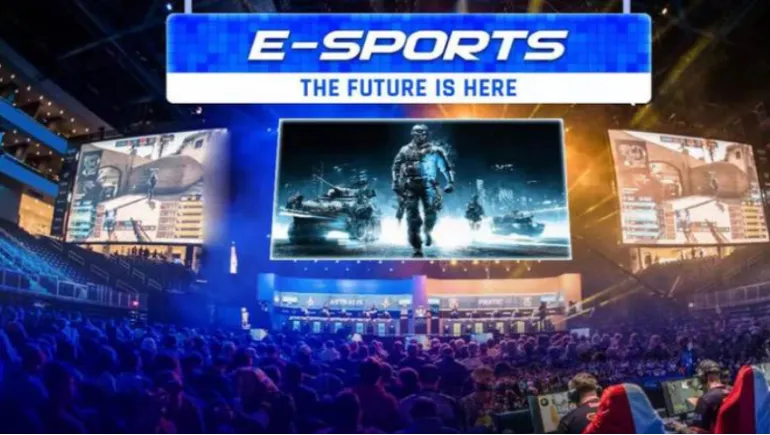
A decade ago, competitive gaming in Bangladesh existed almost entirely in informal settings local area network cafés, university common rooms, and small community gatherings where passionate players competed for pride rather than prize money. In 2026, that landscape has transformed beyond recognition. Esports in Bangladesh has become a structured, commercially supported, increasingly professional industry that is reshaping how millions of young Bangladeshis think about competition, career, and entertainment.
Bangladesh's active gaming population has crossed 15 million players, with mobile gaming accounting for the overwhelming majority of participation. The combination of widespread smartphone ownership, improving mobile internet infrastructure, and the global dominance of mobile-first competitive titles has created a player base of remarkable scale one that is increasingly organized, competitive, and commercially valuable.
Mobile titles including PUBG Mobile, Free Fire, Call of Duty Mobile, and Mobile Legends: Bang Bang have the deepest competitive ecosystems, with organized tournaments at local, national, and regional levels. PC gaming, while smaller in absolute numbers, is growing as dedicated gaming cafés upgrade their infrastructure and more households acquire capable computers.
Organized esports tournaments in Bangladesh have undergone a profound maturation. Where early competitions were self-organized by gaming communities on social media, 2026 sees tournaments structured with professional registration systems, qualified referees, livestreamed finals, transparent prize distribution, and media coverage from dedicated gaming content platforms.
National esports competitions in PUBG Mobile and Free Fire regularly attract thousands of registrations, with finals generating online viewership numbers that rival conventional sports broadcasts for the young demographic. Sponsors primarily telecommunications brands, energy drink companies, and electronics manufacturers have recognized this engaged audience and invested accordingly.
Bangladesh Esports Federation and various gaming organizations are working to create unified competitive structures, standardized rules, and official national ranking systems that provide serious players with clear competitive pathways.
A meaningful number of professional esports organizations have established formal structures in Bangladesh recruiting players through open qualifiers, providing coaching, sports psychology support, and structured practice regimens. These organizations negotiate sponsorships, represent players at regional tournaments, and manage the business infrastructure that transforms talented gamers into professional athletes.
Regional exposure has followed. Bangladeshi esports teams now compete in South and Southeast Asian tournaments, gaining experience against higher-level competition that accelerates domestic skill development and raises international awareness of Bangladesh's gaming talent pool.
One of the most significant signs of esports maturity is the diversification of career opportunities the industry creates. Professional tournament organizing, esports journalism, broadcast production, team management, coaching, and performance analysis are established career categories in Bangladesh's gaming ecosystem.
Content creation around gaming YouTube channels, TikTok gaming content, and Facebook Gaming or YouTube livestreams has produced a generation of Bangladeshi gaming personalities with audiences in the hundreds of thousands. These creators generate advertising revenue, brand partnerships, and direct audience support that constitute genuine professional incomes entirely independent of competitive playing skill.
Mobile gaming's dominance in Bangladesh's esports scene is not merely a market characteristic it is a fundamentally democratizing force. High-performance PC and console setups create significant economic barriers to competitive gaming participation. Mobile esports requires only a smartphone, meaning players from modest economic backgrounds and from districts far from major cities can compete at national level.
Some of Bangladesh's most skilled competitive players come from small towns and rural backgrounds a talent distribution that reflects mobile esports' extraordinary accessibility and strengthens the overall competitive ecosystem.
Internet infrastructure improvements faster, more stable mobile data across more of the country are the single most important enabler of esports growth. Latency and connection reliability directly determine the quality of competitive gameplay, and as infrastructure improves, the ceiling on Bangladesh's esports performance potential rises with it.
Gaming venue upgrades, university esports facilities, and corporate investment in gaming infrastructure are collectively creating an ecosystem where serious players have access to the environment, coaching, and competition needed to develop world-class skills.
Bangladesh's esports story is still being written and the chapters ahead are among the most exciting in the country's sporting history.












Comments
There are no comments for this Article.