




31 July 2026
|
8:10:45
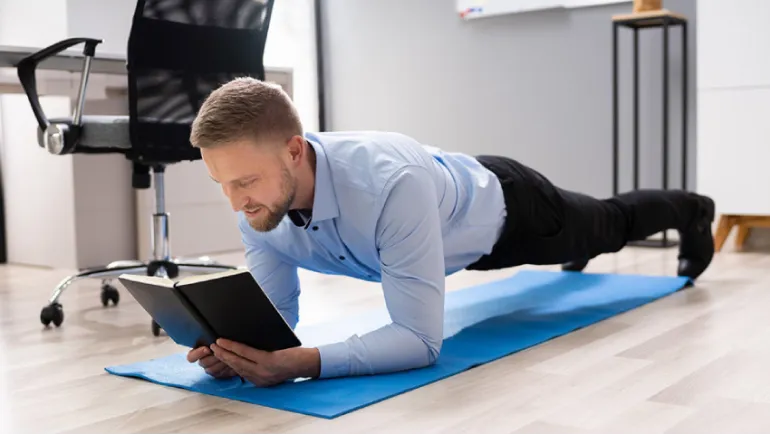
One of the most common reasons people give for not exercising is time. Between demanding work schedules, family responsibilities, commuting, and the general pace of modern professional life, finding time to exercise can feel genuinely impossible. But research consistently shows that even short, consistent bouts of physical activity deliver profound health benefits and the key word is consistent, not long. This guide gives you a realistic, evidence-backed daily fitness routine designed specifically around the life you actually live.
Desk-bound work, long commutes, and high-stress environments create a perfect storm of health risks. Prolonged sitting is linked to cardiovascular disease, back pain, metabolic disorders, and mental fatigue. Chronic workplace stress elevates cortisol levels that, without physical outlet, contribute to weight gain, sleep disruption, and anxiety.
The good news is that the human body responds to exercise efficiently. You do not need two-hour gym sessions to counteract these effects. A structured 30–45 minute daily routine, performed consistently, delivers measurable improvements in energy, mood, strength, and long-term health.
Bodyweight strength training requires no equipment and can be performed in any room. A circuit of push-ups, squats, lunges, plank holds, and glute bridges performed for 3 rounds with 45 seconds of work and 15 seconds of rest builds functional strength, improves posture, and activates metabolism.
Focus on compound movements that work multiple muscle groups simultaneously. This maximizes results per minute spent and is particularly relevant for professionals with limited training time.
On alternate days, shift focus to cardiovascular health and flexibility. A 20-minute brisk walk, jog, or cycling session elevates heart rate and supports cardiovascular health. Follow with 10 minutes of dynamic stretching targeting the hip flexors, hamstrings, chest, and shoulders the muscle groups most compromised by desk work.
If outdoor exercise is not practical, 20 minutes of jump rope, high knees, stair climbing, or dance cardio at home delivers equivalent cardiovascular benefit.
Yoga, light stretching, or a gentle walk allows the body to recover while maintaining the daily movement habit. Recovery days are not rest days they are low-intensity active days that reduce muscle soreness, improve flexibility, and prevent the mental resistance that comes from feeling every day must be intense.
Use the weekend's relatively more flexible schedule for a longer, more enjoyable activity a football game with friends, a swim, a hike, or a gym session. This anchor session reinforces the weekly habit and provides the slightly higher intensity needed for continued fitness progress.
Physical recovery is as important as physical activity. Full rest one day per week allows muscles to repair and the nervous system to recover, setting the foundation for a strong week ahead.
For professionals whose schedules genuinely prevent dedicated workout windows, micro-exercise strategies deliver meaningful cumulative benefit. Take stairs instead of elevators consistently. Stand or walk during phone calls. Perform a set of 15 squats or 10 push-ups every hour setting a phone reminder maintains consistency.
Research supports the value of these brief activity bursts in breaking up prolonged sitting and maintaining metabolic activity throughout the workday.
No fitness routine succeeds in isolation. Seven to eight hours of quality sleep is when the body repairs muscle tissue and consolidates fitness gains. Skipping sleep to create exercise time is counterproductive.
Hydration and basic nutritional awareness adequate protein, reduced processed food, and consistent meal timing amplify the results of any exercise program. These are not complicated changes; they are foundational habits that make everything else work better.
The most effective fitness routine is the one you actually do. Start with three days per week if five feels overwhelming. Schedule workouts as calendar appointments treat them with the same commitment you give professional meetings. Track your consistency rather than your performance in the early weeks; building the habit matters more than perfecting the workout.
Fitness for busy professionals is not about finding the perfect program. It is about finding a realistic structure and protecting it consistently against the inevitable pressures of professional life.












Comments
There are no comments for this Article.