




31 July 2026
|
8:10:45
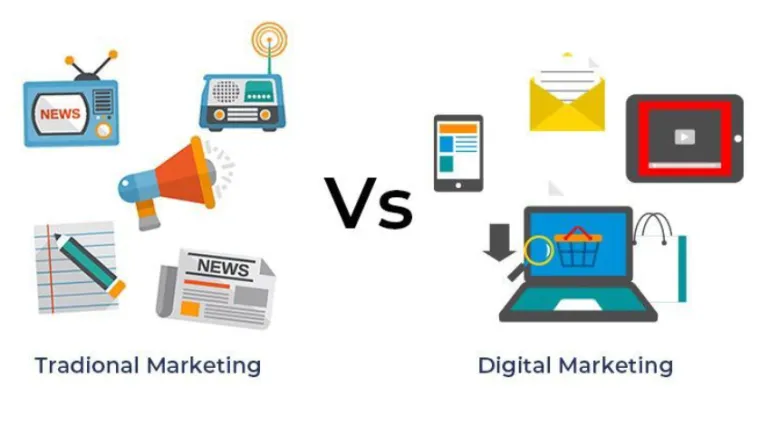
Bangladesh's banking landscape in 2026 presents consumers with a genuine choice that did not exist a decade ago. Traditional banks with their branch networks, relationship managers, and full-service financial products now compete alongside a growing ecosystem of digital-first banking services, mobile financial services (MFS), and fintech platforms offering faster, cheaper, and more convenient alternatives for many everyday banking needs. Understanding which option serves you better requires clarity about what you actually need from a banking relationship.
Digital banking in Bangladesh encompasses several distinct categories. Mobile Financial Services (MFS) including bKash, Nagad, and Rocket represent the most widely used digital financial tools, focused primarily on money transfers, bill payments, and merchant transactions. Internet banking services offered by traditional banks provide digital access to conventional bank account features. And a growing number of fintech startups are offering account services, lending, and financial management tools through purely digital interfaces.
Digital banking is available 24 hours a day, seven days a week, from any location with internet connectivity. Transferring money, paying utility bills, topping up mobile credit, and managing finances require only a smartphone. For Bangladesh's large working population, eliminating the need to visit bank branches during working hours is a genuinely significant time saving.
MFS platforms and digital bank transfers typically carry lower fees than traditional bank wire transfers, particularly for smaller amounts. For the millions of Bangladeshis regularly sending money to family members in other districts, the cost savings of MFS versus traditional bank transfers are meaningful.
bKash alone has brought formal financial services to tens of millions of Bangladeshis who had no previous bank account. For rural populations, informal workers, and low-income households, MFS platforms represent their only meaningful access to digital financial infrastructure.
Digital transactions execute in seconds. Traditional bank transfers particularly interbank transfers can take hours or days. For time-sensitive payments, digital banking has no equivalent.
Traditional banks offer products and services that digital-only platforms cannot home loans, business loans, letters of credit for trade finance, foreign currency accounts, investment products, and wealth management services. For anyone with complex financial needs, a traditional bank relationship remains essential.
Bank deposits in licensed Bangladeshi banks are covered by Bangladesh Bank's regulatory oversight and the deposit insurance framework. Traditional bank accounts offer a level of institutional security and regulatory protection that MFS accounts and fintech platforms do not fully replicate.
Traditional bank relationships particularly loans repaid successfully build formal credit histories that enable access to larger financing in the future. For entrepreneurs seeking business loans or professionals planning home purchases, a documented banking relationship provides the financial credibility that digital-only service use cannot substitute.
For large cash deposits, foreign currency exchange, certified financial instruments, and complex business transactions, physical bank branches remain necessary. Digital banking cannot replace these functions.
The honest answer is that most Bangladeshis benefit from using both strategically rather than choosing one exclusively.
Use digital banking and MFS for: everyday transactions, bill payments, small money transfers, quick peer-to-peer payments, and situations where branch access is inconvenient.
Use traditional banking for: savings accounts, fixed deposits, salary accounts, loan applications, foreign transactions, and building formal financial history.
Open a savings account at a reputable traditional bank as your financial foundation, and use MFS platforms for daily transaction convenience layered on top. This hybrid approach captures the strengths of both systems while mitigating the limitations of each.
Digital banking fraud particularly SIM swap attacks, phishing, and fraudulent agent transactions is Bangladesh's fastest-growing financial crime category. Never share OTPs, PINs, or account credentials with anyone. Traditional banking carries its own risks, including ATM skimming and physical documentation fraud.
Security in 2026 requires active vigilance in both banking environments.












Comments
There are no comments for this Article.