




31 July 2026
|
8:10:45
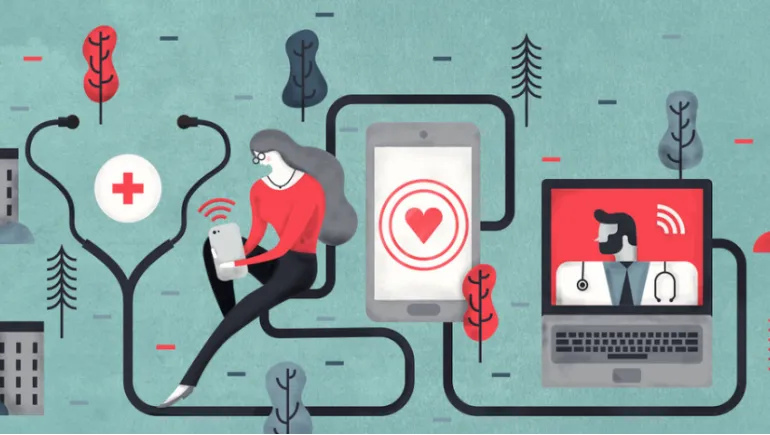
Bangladesh faces one of the most demanding healthcare challenges in Asia. A population of over 170 million is served by a healthcare system that, despite genuine improvements over the past two decades, remains significantly under-resourced in specialist physicians, diagnostic infrastructure, and rural service delivery. Technology is not solving all of these challenges but it is changing what is possible in ways that are making a measurable difference in millions of lives.
The core challenge is distribution. Bangladesh has a relatively adequate number of healthcare workers at the national level, but they are heavily concentrated in Dhaka and a handful of major cities. A patient in a remote upazila seeking specialist consultation may face a full-day journey to Dhaka, significant expense, and the uncertainty of whether they will actually receive the consultation they traveled for.
Technology specifically telemedicine and mobile health platforms is beginning to close this geographic gap by bringing medical expertise to patients rather than requiring patients to travel to expertise.
Telemedicine has been the most transformative health technology development in Bangladesh over the past five years. Platforms enabling video and telephone consultations with qualified physicians have made specialist access available in areas where it was previously non-existent.
Services like Praava Health, Doctorola, and DGDA-registered telehealth platforms allow patients to consult with general physicians, specialists, and mental health professionals from their homes using nothing more than a smartphone. Prescriptions, diagnostic referrals, and follow-up appointments are all managed digitally.
For rural women with mobility restrictions, elderly patients who struggle with hospital travel, and working professionals in urban areas who cannot afford to take half a day for a clinic visit, telemedicine has delivered genuinely life-improving access improvement.
Artificial intelligence is beginning to assist clinical decision-making in Bangladesh's healthcare system in ways that extend physician capacity without requiring additional specialists.
AI diagnostic tools are being piloted for tuberculosis detection through chest X-ray analysis, diabetic retinopathy screening through retinal imaging, and cervical cancer screening through mobile-based visual inspection support. These applications allow community health workers with limited medical training to conduct preliminary screening at the population level, referring cases that AI flags as concerning for specialist confirmation.
Given Bangladesh's high burden of tuberculosis, diabetes, and cervical cancer, AI-assisted screening at community level represents a potentially profound improvement in early detection rates.
Chronic diseases particularly diabetes, hypertension, and cardiovascular disease represent a growing health burden in Bangladesh's rapidly urbanizing population. Managing these conditions requires consistent monitoring, medication adherence, and lifestyle adjustment that are difficult to maintain without regular support.
Mobile health applications are filling this gap. Apps enabling home blood pressure and blood glucose monitoring with digital logging, medication reminder systems, and remote physician review of health data are improving chronic disease management for patients who previously had no structured support between infrequent clinic visits.
Paper-based patient records the norm in most Bangladeshi healthcare facilities create significant inefficiencies: lost records, duplicated tests, medication errors from incomplete histories, and inability to share information between providers.
Government and private sector initiatives to digitize patient records are creating the infrastructure for genuinely coordinated care. When a patient's full health history is accessible electronically, any treating physician can make better-informed decisions reducing both medical errors and wasteful duplication of diagnostic tests.
The government's Community Health Workers Shasthya Shasthikas and Shasthya Kormiis are being equipped with smartphones and digital health tools that improve their ability to track maternal and child health, identify and refer high-risk pregnancies, and provide evidence-based health education.
Digital health literacy understanding how to use health apps, access telemedicine services, and evaluate online health information critically is an emerging education priority. As more Bangladeshis use smartphones as their primary health information source, ensuring that source is reliable and navigated competently becomes a public health priority.
Technology is not a substitute for adequate healthcare investment Bangladesh needs more physicians, more specialists, better-equipped facilities, and stronger public health infrastructure. But within the constraints of existing resources, technology is enabling healthcare delivery that was previously impossible.
The patients benefiting most are those who previously had the least access rural communities, working poor, mobility-restricted elderly. For them, a telemedicine consultation or an AI-assisted screening is not a convenience. It is a genuine expansion of their right to healthcare. That is the most meaningful metric of healthcare technology's impact in Bangladesh.












Comments
There are no comments for this Article.