




02 August 2026
|
8:10:45
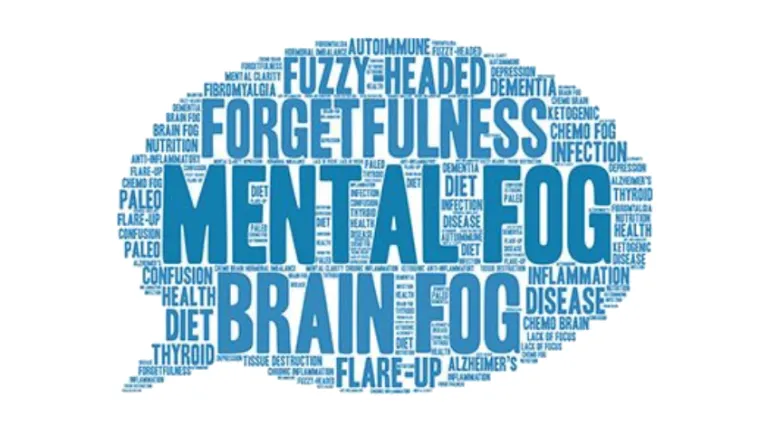
Have you ever felt like your mind is clouded, making it difficult to think clearly or remember simple things? This frustrating experience is commonly known as brain fog. While not a medical diagnosis, brain fog affects millions worldwide, interfering with daily activities and reducing quality of life. Understanding what brain fog is, its causes, and effective treatments can help you regain mental clarity and improve your cognitive function.
Brain fog refers to a collection of symptoms that affect your ability to think clearly, concentrate, and remember information. Healthcare professionals often call it cognitive dysfunction or cognitive impairment. The term describes a mental state in which you feel as if something is clouding your mind, similar to waiting for a video to load over an unstable internet connection.
Brain fog is not a disease or medical condition on its own, but rather a symptom that can occur with various health conditions. People experiencing mental fog often describe feeling mentally "sluggish," spaced out, or not like themselves. Tasks that once seemed effortless now require considerably more mental effort.
Brain fog symptoms can vary from person to person, but common experiences include:
These neurological symptoms can make you feel frustrated and stuck, as if your brain is buffering while you're trying to function normally.
Understanding brain fog causes helps identify appropriate treatments. Research shows that mental fatigue can result from numerous factors:
Sleep Deprivation: Poor sleep quality or insufficient sleep (less than 7-9 hours) is one of the most common causes. Your brain needs adequate rest to consolidate memories and clear metabolic waste.
Chronic Stress and Anxiety: Brain fog due to stress or anxiety occurs when prolonged stress hormones affect cognitive function. Stress management becomes crucial for maintaining mental clarity.
Poor Nutrition: An inadequate diet lacking essential nutrients impairs brain performance. Dehydration and brain function are closely linked—even mild dehydration can cause cognitive symptoms.
Lack of Physical Activity: Regular exercise improves blood flow to the brain and supports cognitive health.
Vitamin Deficiency and Brain Fog: Low levels of vitamin B12, folate, iron, or vitamin D can significantly impair nerve function and oxygen delivery to the brain, resulting in cognitive dysfunction.
Hormonal Changes: Brain fog commonly occurs during pregnancy, postpartum, perimenopause, menopause, and with thyroid disorders like hypothyroidism. More than 95% of hypothyroidism patients experience fatigue, forgetfulness, and difficulty focusing.
Post-Viral Conditions: Long COVID has brought increased awareness to brain fog. Many individuals recovering from COVID-19 experience persistent cognitive symptoms for months or even years.
Chronic Illnesses: Conditions including diabetes, autoimmune diseases, chronic fatigue syndrome, fibromyalgia, and multiple sclerosis frequently cause brain fog.
Medications: Certain drugs for pain, allergies, anxiety, mood disorders, and sleep can cause cognitive side effects. Chemotherapy particularly causes "chemo brain" in up to 75% of patients.
Neuroinflammation: The brain's immune response to disease or injury can lead to chronic low-level inflammation, which is particularly detrimental to mental clarity.
While there isn't a single cure for all types of brain fog, multiple strategies can significantly improve symptoms.
Improve Sleep and Brain Health:
Stress Management Techniques:
Exercise for Mental Clarity:
Diet for Brain Health:
Natural Brain Supplements:
How to Cure Brain Fog Naturally:
Tips for Better Focus:
When lifestyle changes aren't sufficient, healthcare providers may recommend:
Brain Fog Medication:
Professional Interventions:
How to Stay Focused All Day:
Daily Habits for Brain Health:
Simply put, brain fog is your brain's way of signaling that something needs attention, whether it's inadequate sleep, poor nutrition, underlying medical conditions, or chronic stress. The good news is that for most people, brain fog is temporary and treatable. By addressing lifestyle factors affecting brain health, seeking appropriate medical evaluation when necessary, and implementing evidence-based strategies to improve focus and concentration, you can significantly reduce or eliminate brain fog symptoms.












Comments
There are no comments for this Article.