




17 September 2026
|
8:10:45
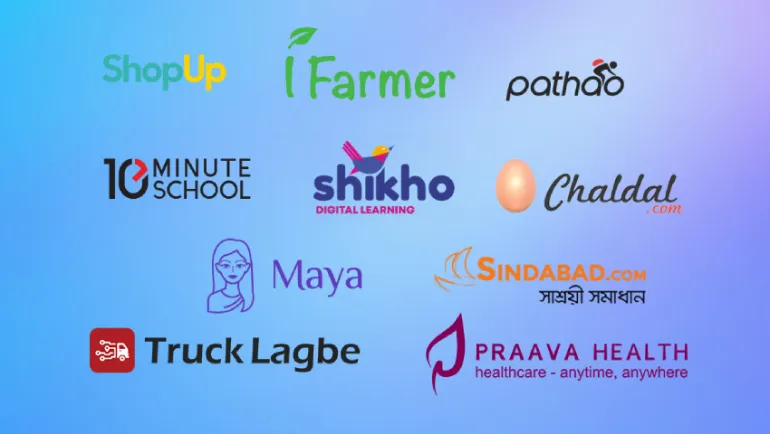
Bangladesh's startup ecosystem has transformed dramatically over the past decade. What was once a small cluster of tech enthusiasts in Dhaka has evolved into a thriving innovation economy, one that is increasingly attracting regional and international venture capital attention. In 2026, Bangladesh stands as one of South Asia's most exciting startup destinations, and the reasons are clear.
With a population exceeding 170 million, a median age of just 27, and smartphone penetration crossing 70%, Bangladesh offers one of Asia's largest untapped digital consumer markets. The government's ongoing "Smart Bangladesh" vision targeting a fully digitized economy by 2041 has accelerated startup-friendly policies, including tax exemptions for registered tech startups and expanded funding through the ICT Innovation Fund.
Internet infrastructure has also matured significantly. 4G coverage now reaches most districts, and 5G pilots are underway in major urban centers. This connectivity backbone is enabling startups to build and scale products nationally, not just in Dhaka.
Bangladesh's fintech sector continues to lead. While bKash pioneered mobile financial services, a new generation of startups is expanding into micro-lending, digital insurance, B2B payment rails, and cross-border remittance solutions. Startups are targeting the 40% of adults who remain underbanked, using alternative credit scoring models powered by behavioral data.
Agriculture contributes roughly 13% of Bangladesh's GDP and employs nearly 40% of the workforce. Agritech startups are disrupting traditional supply chains by connecting farmers directly to buyers through mobile apps, providing real-time crop advisory via SMS and voice, and enabling digital marketplaces for agricultural inputs. These solutions are reducing post-harvest losses and increasing farmer income, a compelling social and commercial proposition.
The demand for affordable, quality education has fueled an edtech boom. Startups offering Bangla-language vocational training, university entrance preparation, and professional upskilling are scaling rapidly. Video-based learning platforms and AI-powered tutoring tools are personalizing education for students in both urban and rural areas.
Post-pandemic, telemedicine has become a permanent fixture. Healthtech startups are offering remote consultations, AI-assisted diagnostics, home sample collection, and digital pharmacy services. These platforms are particularly transformative in rural and semi-urban areas where specialist access has historically been limited.
E-commerce growth has created massive demand for reliable last-mile delivery infrastructure. Startups building tech-enabled logistics networks, integrating real-time tracking, warehouse management, and courier aggregation, are quietly becoming essential infrastructure for Bangladesh's digital economy.
Not every new business qualifies as a high-growth startup. The most promising emerging ventures share specific characteristics: they address a distinctly Bangladeshi pain point at scale, their product is mobile-first and accessible at low price points, and they have demonstrated early traction through revenue, user growth, or strategic partnerships.
Signals worth watching include Series A funding announcements, government or development organization partnerships, and recognition from regional accelerators like Y Combinator, Orbit Startups, or BRAC's social innovation programs.
Despite genuine momentum, challenges remain. Access to growth-stage capital (Series B and beyond) is still limited. Many promising startups hit a ceiling because domestic investors are risk-averse and international investors require stronger governance and financial documentation. Talent retention is another issue engineers trained in Bangladesh are frequently recruited by global tech companies offering international salaries.
Regulatory ambiguity in sectors like fintech and healthtech also slows product launches, as startups navigate frameworks that weren't designed with digital businesses in mind.
Bangladesh's startup ecosystem in 2026 is at an inflection point. The foundational pieces, talent, market size, digital infrastructure, and policy intent, are in place. What the ecosystem now needs is deeper capital markets, stronger founder communities, and faster regulatory adaptation.
For investors, entrepreneurs, and professionals watching South Asia, Bangladesh represents one of the most compelling emerging market stories of this decade. The startups being built here today are solving real problems for real people, and that is always the most durable foundation for long-term success.












Comments
There are no comments for this Article.