




25 September 2026
|
8:10:45
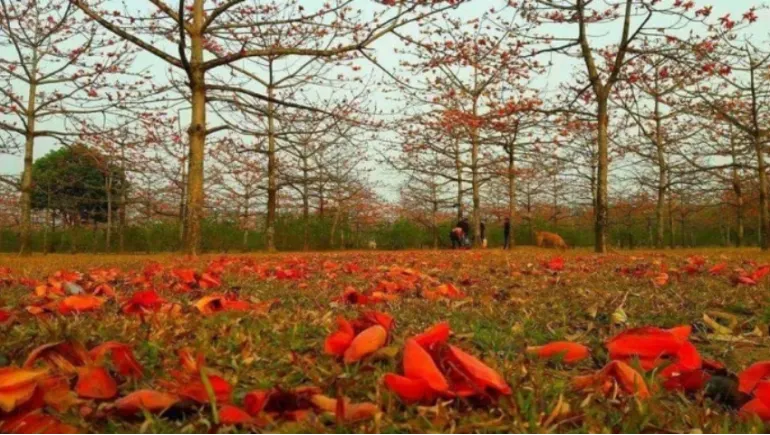
Eco-tourism is travel that connects you meaningfully with natural environments while actively supporting their conservation and the local communities that depend on them. Bangladesh, despite its urban density and population pressure, contains natural ecosystems of extraordinary global significance environments that are worth visiting, worth protecting, and worth understanding deeply. In 2026, a growing network of responsible eco-tourism operators is making these environments accessible in ways that support rather than undermine their long-term health.
The Sundarbans is the world's largest mangrove forest, shared between Bangladesh and India, and one of the planet's most ecologically significant natural environments. It serves as the primary habitat for the Bengal tiger, Irrawaddy dolphin, estuarine crocodile, and an extraordinary diversity of bird species while simultaneously functioning as a natural coastal protection barrier for millions of people.
Responsible Sundarbans eco-tourism involves guided boat-based exploration of the forest's network of rivers and channels, wildlife observation from designated areas, and engagement with local communities whose livelihoods and cultures are deeply intertwined with the forest ecosystem.
Choose tour operators with Forest Department accreditation and visible commitments to responsible visitor management group size limits, no-disturbance wildlife observation protocols, and waste management practices that leave no trace in this fragile environment.
Lawachara is Bangladesh's most accessible primary rainforest a remnant of the ancient mixed evergreen forest that once covered much of Bengal. It is home to the western hoolock gibbon, slow loris, barking deer, and over 150 bird species, accessible through a network of guided forest trails.
Early morning guided walks with experienced local naturalist guides are the optimal way to experience Lawachara the forest's wildlife is most active in the hour after dawn, and skilled guides dramatically increase wildlife encounter rates while ensuring visitor behavior protects rather than stresses the animals.
The surrounding landscape of tea gardens and tribal community villages provides additional cultural eco-tourism dimension that rewards extended stays of two to three days in the area.
Hakaluki Haor is one of Asia's largest inland freshwater wetlands a vast seasonal floodplain that transforms dramatically between dry and wet seasons. During winter, it becomes a critical habitat for enormous numbers of migratory waterfowl arriving from Central Asia and Siberia, making it one of Bangladesh's premier birdwatching destinations.
The local fishing communities of Hakaluki Haor have lived in relationship with this ecosystem for generations, and community-based eco-tourism initiatives connecting visitors with local fishers and wetland guides provide both authentic cultural engagement and direct economic benefit to the communities most responsible for the haor's stewardship.
Already mentioned in our hidden destinations guide, Satchari deserves emphasis in the eco-tourism context for its primate diversity and conservation significance. The hoolock gibbons of Satchari whose haunting morning calls are among the most memorable wildlife sounds in Bangladesh represent a globally threatened species, and visitor fees contribute directly to the park's conservation management.
Responsible wildlife observation practices maintaining distance, minimizing noise, never feeding animals are essential in Satchari and should be treated as non-negotiable conditions of any visit.
Bangladesh's unique freshwater swamp forest in Sylhet deserves eco-tourism attention for its rarity value as much as its beauty. As one of the few freshwater swamp forests in South Asia, it represents an ecosystem type of extraordinary global scarcity that is found in pristine condition in very few places worldwide.
Visiting with locally licensed boat operators who know the forest intimately, limiting group sizes, and avoiding peak visitor times ensures that this fragile ecosystem experiences tourism pressure it can sustainably absorb.
Choose operators with genuine conservation commitments rather than those who use eco-tourism terminology without substance. Respect all wildlife observation guidelines strictly approaching animals too closely for better photographs is the most common and most damaging visitor behavior in natural areas. Hire local guides whose fees directly support community livelihoods. Carry all waste out of natural areas completely. And allow adequate time rushing through natural environments prevents the patient observation that genuine wildlife encounters require.
Bangladesh's natural ecosystems are among its most precious and most irreplaceable assets. Eco-tourism, practiced responsibly, funds their protection while providing experiences of lasting meaning.












Comments
There are no comments for this Article.