




10 October 2026
|
8:10:45
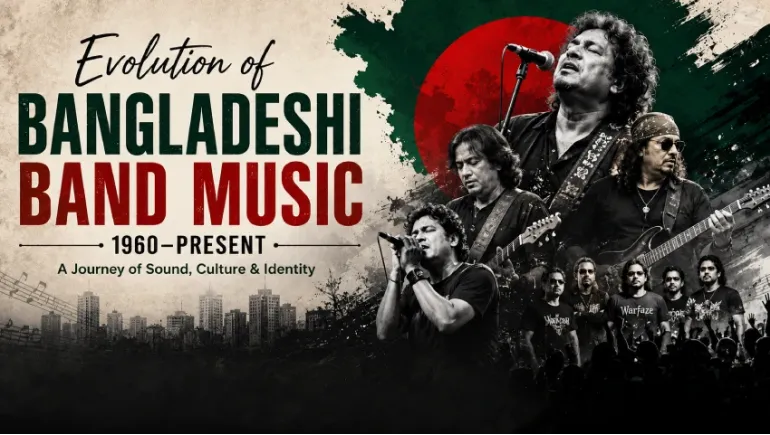
Bangladeshi band music has a rich and dynamic history that reflects the country’s cultural, political, and social transformation over the decades. From early Western-inspired tunes in the 1960s to today’s diverse and digitally driven music scene, the evolution of band music in Bangladesh is a story of creativity, resistance, and identity. This journey highlights how local artists blended global influences with Bangla language and culture to create a unique musical legacy.
The roots of band music in Bangladesh can be traced back to the 1960s, when the region was still part of East Pakistan. During this time, Western music—especially rock and roll by artists like The Beatles and Elvis Presley—began influencing urban youth. English-language bands started performing in clubs, hotels, and private gatherings in Dhaka. These early bands mainly covered Western songs, and music was largely limited to elite audiences. However, this period laid the foundation for a future shift toward localized band music.
After the Liberation War in 1971, Bangladesh emerged as an independent nation, and music became a powerful medium of expression. The 1970s marked a turning point with the rise of Azam Khan, widely regarded as the pioneer of Bangladeshi rock music. Unlike earlier bands, Azam Khan introduced Bangla lyrics into rock music, making it more relatable to the masses. Songs like “Rail Line-er Oi Bostite” resonated deeply with ordinary people and addressed social realities. This era established the foundation of Bangla band music as a distinct genre.
The 1980s saw the emergence of several influential bands that shaped the Bangladeshi music scene. Bands like Souls, Feedback, and Miles gained immense popularity with their unique sound and lyrical depth. This era marked the transition of band music from underground culture to mainstream entertainment. Cassette tapes became widely available, helping bands reach a larger audience. Songs during this period often explored themes of love, life, and societal change, making them timeless classics.
The 1990s is often considered the golden era of Bangladeshi band music. During this time, bands such as LRB, Nagar Baul (James), Warfaze, Ark, and Different Touch dominated the industry. This decade saw significant musical experimentation, including hard rock, heavy metal, and blues influences. Artists like Ayub Bachchu and James became legendary figures, and their songs continue to influence new generations. Audio cassettes and CDs fueled the popularity of band music, and live concerts became a major cultural phenomenon.
In the 2000s, Bangladeshi band music diversified further with the emergence of alternative rock, metal, and fusion genres. Bands like Artcell, Black, Shironamhin, and Arbovirus introduced fresh sounds and lyrical styles. This era also saw the growth of underground music scenes, particularly among younger audiences. Digital recording technology improved music production quality, and FM radio stations played a crucial role in promoting new artists. However, the industry also began facing challenges due to piracy and declining physical album sales.
The 2010s brought a digital revolution that transformed how music was created, distributed, and consumed. Platforms like YouTube, Facebook, and streaming services allowed artists to reach audiences without relying on traditional record labels. Bands like Chirkutt, Nemesis, and AvoidRafa gained popularity through digital platforms. Independent artists also began producing music from home studios, leading to a surge in creativity. However, competition increased, and sustaining a career in music became more challenging.
In the current decade, Bangladeshi band music is experiencing a new phase of global exposure. Streaming platforms such as Spotify and Apple Music are helping artists reach international audiences. Genres like indie, alternative, and experimental music are gaining traction. Younger musicians are blending traditional Bangla elements with modern global sounds, creating a unique fusion style. Social media platforms like TikTok are also playing a major role in making songs go viral, reshaping how music becomes popular.
Despite its growth, the band music industry in Bangladesh faces several challenges. Limited financial support, lack of proper copyright enforcement, and fewer large-scale live venues make it difficult for bands to sustain themselves. Many talented artists struggle to maintain long-term careers due to inconsistent income and limited industry infrastructure. Additionally, audience preference for international music often overshadows local talent.
Band music has played a significant role in shaping modern Bangladeshi culture. It has influenced fashion, youth identity, and social awareness. Many songs address political issues, social injustice, and personal struggles, making band music more than just entertainment. It has become a voice for generations, reflecting their hopes, frustrations, and dreams.
The evolution of Bangladeshi band music from the 1960s to the present is a remarkable journey of transformation and resilience. From Western-inspired beginnings to a globally recognized music scene, Bangladeshi bands have continuously adapted to changing times while preserving their cultural roots. As digital platforms continue to expand opportunities, the future of Bangla band music looks promising. With the right support and audience appreciation, this vibrant industry has the potential to reach even greater heights.












Comments
There are no comments for this Article.