




11 August 2026
|
8:10:45
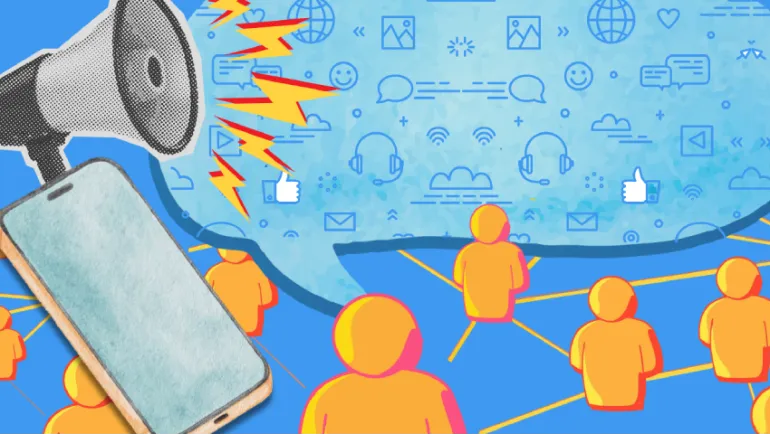
Bangladesh's social media landscape in 2026 is one of the most dynamic and fastest-evolving digital environments in South Asia. With 64 million Facebook users, nearly 50 million YouTube users, and over 56 million TikTok users aged 18 and above, Bangladesh has built a social media audience of extraordinary scale and the content trends spreading across these platforms reflect a society navigating rapid digital maturation, political energy, cultural pride, and creative ambition simultaneously.
Facebook dominates Bangladesh with over 50 million users, making it the top platform for brand awareness and sales. Instagram is growing rapidly among urban youth aged 18-35. TikTok is exploding for product discovery and viral content.
Facebook remains the foundational platform the place where news breaks, businesses promote, and communities organize. But the platforms driving cultural trend-setting in 2026 are TikTok and YouTube Shorts, where algorithm-driven discovery gives ordinary creators the reach that previously required established media relationships.
Short-form video has become the default content format across all platforms. TikTok's influence on content consumption patterns extends far beyond its own platform, with Instagram Reels, YouTube Shorts, and Facebook's short video features all competing for the same short-form video audience.
For Bangladeshi creators, the TikTok algorithm has been particularly transformative. Using trending audio increases content discoverability by 40-60%. Bangladesh TikTok has its own trending sounds mixing global trends with locally popular Bangla music drives maximum reach.
The format rewards authenticity and energy over production sophistication a democratizing force that has produced viral creators from backgrounds and locations that traditional media never reached.
One of 2026's most remarkable social media phenomena is the international reach of content featuring Bangladesh. The viral "You Never Take Me to Bangladesh" song and dance trend originating from an Ian McConnell track became a genuine global TikTok trend, spreading across the US, UK, and beyond, and putting the country's name in front of international audiences in a playful, positive context that organic Bangladesh-themed content rarely achieves.
Within Bangladesh, Bangla music consistently generates viral content when matched with visually compelling reels and relatable personal narratives. Artists who understand TikTok's sound-driven discovery mechanism are building fanbases that bypass traditional music industry channels entirely.
TikTok Live commerce is emerging rapidly in Bangladesh. Live product demonstrations with direct purchase links convert extremely well for fashion, cosmetics, and electronics.
This convergence of entertainment and commerce is reshaping how Bangladeshi consumers discover and purchase products. A fashion creator's live session now functions simultaneously as entertainment, brand engagement, and sales channel collapsing what used to be a multi-step marketing funnel into a single real-time interaction.
Platform specialization has emerged among Bangladesh's influencer community, with creators focusing expertise on specific platforms rather than maintaining equal presence across all channels. YouTube creators excel at long-form content and product reviews, Instagram influencers dominate lifestyle and fashion content, TikTok creators specialize in viral entertainment, while LinkedIn influencers build thought leadership in professional domains.
This specialization reflects a maturing creator economy where platform-native expertise understanding specific algorithms, audience behaviors, and content formats delivers meaningfully better results than generic cross-platform presence.
According to a report released in late 2025 by DataReportal, the country has approximately 64 million Facebook users, nearly 50 million YouTube users, 9.15 million Instagram users and more than 56 million TikTok users aged 18 and above.
This massive audience has made social media central to Bangladesh's political discourse. In 2026's election environment, viral songs, political reels, and shareable content have become as strategically important as traditional campaign rallies with political parties actively competing for attention on platforms previously associated only with entertainment.
Social commerce will likely emerge as the dominant e-commerce channel, potentially surpassing traditional website-based shopping for many product categories. Brands that build native social commerce capabilities rather than simply driving traffic to external sites will capture disproportionate market share, particularly among younger consumers.
For creators, brands, and consumers alike, Bangladesh's social media landscape in 2026 rewards those who move fast, create authentically, and understand their platform's specific culture deeply.










Comments
There are no comments for this Article.