




25 September 2026
|
8:10:45
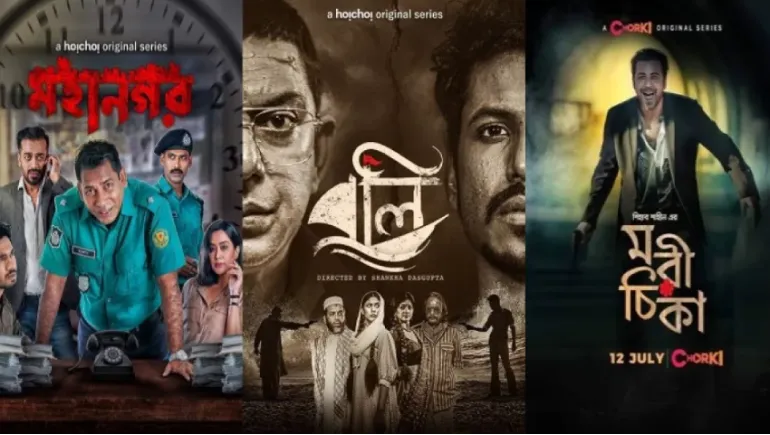
Bangladesh's web series landscape has matured into one of the most creatively exciting spaces in Bengali-language storytelling. Streaming platforms are investing in ambitious original productions, established filmmakers are crossing from cinema into streaming, and a generation of new writers and directors is finding in web series the creative freedom that traditional broadcast television never provided. The result is a body of work that genuine storytelling lovers in Bangladesh and beyond should not overlook.
Three forces have converged to make 2026 an exceptional moment for Bangladeshi web content. Streaming platform investment has reached levels that enable genuinely high production values, better cinematography, stronger sound design, and more ambitious visual storytelling. The creative talent pipeline, writers, directors, and actors, has been developing within the streaming ecosystem long enough to produce work of real sophistication. And audiences have demonstrated, through subscription commitment and social media discussion, that they will reward quality original content with the engagement and loyalty that sustains further investment.
Karagar, the prison drama that became the most discussed web series in Bangladeshi streaming history, set a benchmark that subsequent productions have aspired to meet. Its unflinching exploration of Bangladesh's justice system, moral complexity, and human resilience, set within the claustrophobic world of a Dhaka prison, delivered the kind of emotionally demanding, intellectually serious storytelling that Bangladeshi audiences had not previously seen delivered with this level of craft.
Its second season expands scope while maintaining the authentic tension and character depth that defined the original. If you have not watched Karagar, it is the non-negotiable starting point for anyone exploring Bangladeshi web series in 2026.
Morichika represents Chorki's most ambitious original to date, a psychological thriller constructed with the patience and visual intelligence of art cinema rather than the genre conventions of commercial television drama. Its layered narrative, strong performances, and refusal to offer easy resolution make it demanding viewing that rewards close attention and sustained engagement.
For viewers who value psychological complexity and cinematographic quality over plot momentum, Morichika is the most artistically accomplished Bangladeshi web series currently available.
Sinpaat takes the crime drama format and uses it as a vehicle for examining social realities in contemporary Bangladesh, the relationship between poverty, power, crime, and institutional failure, with a candor that commercial television consistently avoids. Its Dhaka setting is not backdrop but texture: the city's geography, class divisions, and social dynamics are integral to the story's meaning.
The series has earned particular praise for its ensemble performances and its willingness to develop antagonists and secondary characters with genuine psychological depth rather than treating them as plot devices.
Pett Kata Shaw, directed by Nuhash Humayun, was the first-ever horror content from Bangladesh, based on folk tales from various regions of the country. The anthology series was released on the popular OTT platform Chorki. The series achieved international recognition by being selected for its official premiere at the International Film Festival Rotterdam.
This international recognition for Bangladeshi streaming content is historically significant, and Pett Kata Shaw's achievement demonstrates that authentic, locally rooted Bangladeshi storytelling has genuine resonance with international audiences. For horror enthusiasts, it is essential viewing. For anyone interested in Bangladeshi folk culture and mythology rendered through contemporary genre cinema, it is a landmark work.
Taqdeer, a legal thriller that became one of the most-watched Hoichoi originals across both Bangladesh and West Bengal, demonstrates the pan-Bengali audience potential that well-executed Bangladeshi content can achieve. Its central narrative of a murder trial entangled with political power and personal corruption moved at a pace and scale that felt genuinely cinematic rather than television-sized.
Its success led directly to increased Hoichoi investment in Bangladesh-specific original productions, making it not just an excellent series in its own right but a commercially important moment for the broader Bangladeshi streaming ecosystem.
Mohanagar's portrait of corruption and moral compromise within contemporary Dhaka, told through a procedural crime narrative involving law enforcement, political patronage, and personal ethical collapse, has earned sustained critical respect for its honest, unromantic depiction of urban institutional life. Its performances, particularly in the lead roles, are among the strongest in Bangladeshi web content to date.
Start with Karagar as your entry point; its quality and accessibility make it the ideal introduction to what Bangladeshi web series can achieve at their best. Follow with Morichika for psychological depth, Sinpaat for social realism, Taqdeer for plot-driven engagement, and Pett Kata Shaw for genre innovation and cultural specificity.
Bangladesh's web series canon is still young, but these titles prove it is already producing work of lasting value.












Comments
There are no comments for this Article.