




16 October 2026
|
8:10:45
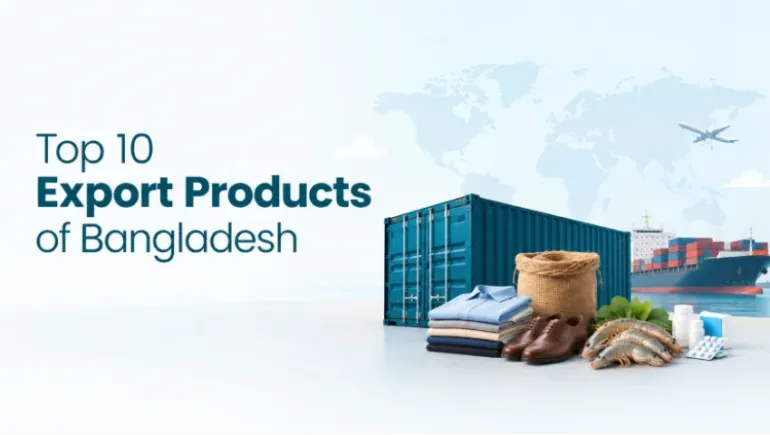
Bangladesh is an important player in global trade, supplying a wide range of products to international markets. From ready-made garments and leather goods to jute products, seafood, and pharmaceuticals, the country has built a strong export industry that supports employment, manufacturing, and economic growth.
According to Export Promotion Bureau (EPB) data, Bangladesh earned approximately $48.28 billion from merchandise exports in the fiscal year 2024–25. Although the ready-made garment industry dominates export earnings, several other sectors are contributing to the country's export diversification.
Here are the top 10 export products of Bangladesh based on their importance in the country's export sector.
Ready-made garments are Bangladesh's leading export product, accounting for the largest share of the country's export earnings. The industry produces T-shirts, shirts, trousers, jeans, sweaters, jackets, and other clothing for international fashion brands and retailers.
Major export markets include the United States, Germany, the United Kingdom, Spain, and other European countries. Competitive manufacturing costs, an established supplier network, and a large workforce have helped Bangladesh become one of the world's major apparel exporters.
Knitwear is one of the two main segments of Bangladesh's ready-made garment industry. Products include T-shirts, polo shirts, sweaters, underwear, leggings, and other knitted clothing.
Bangladesh has developed strong capabilities in knitting, dyeing, finishing, and garment manufacturing. Knitwear exports generated approximately $21.15 billion in FY2024–25, making this category one of the country's largest individual export segments.
Woven garments are another major contributor to Bangladesh's apparel exports. This category includes formal shirts, trousers, denim jeans, jackets, suits, and other clothing made from woven fabrics.
The country supplies woven garments to international retailers and fashion brands serving both everyday and premium clothing markets. With approximately $18.18 billion in export earnings during FY2024–25, woven garments remain a cornerstone of Bangladesh's export economy.
Bangladesh exports finished leather, leather footwear, bags, wallets, belts, and other leather accessories. The country has an established leather-processing and manufacturing industry that serves international buyers.
Growing demand for footwear and fashion accessories creates opportunities for local manufacturers. Better environmental compliance, improved production standards, and investment in modern technology can further strengthen the sector's position in global markets.
Known as the Golden Fibre, jute is one of Bangladesh's traditional export commodities. The country exports raw jute, jute yarn, twine, sacks, shopping bags, carpets, and other jute-based products.
As businesses and consumers look for alternatives to conventional plastic packaging, environmentally friendly jute products have opportunities in international markets. Diversified jute goods can also help Bangladesh expand beyond traditional bulk exports.
Home textiles are an established part of Bangladesh's textile export industry. Exported products include bed sheets, pillowcases, towels, curtains, blankets, and other household fabric items.
International demand from retailers, hotels, and home furnishing brands supports this sector. Bangladesh's existing textile manufacturing infrastructure provides a strong foundation for producing a variety of home textile products for overseas customers.
Bangladesh exports frozen shrimp, fish, prawns, crabs, and other seafood products. Shrimp is particularly important in this category, while other fish and seafood products also contribute to export earnings.
The country's rivers, coastal areas, and aquaculture industry support seafood production. Maintaining food safety, traceability, processing quality, and international certification standards is essential for reaching more overseas buyers.
Agricultural exports from Bangladesh include vegetables, fruits, spices, dry foods, and other food products. The country also exports processed and packaged foods to international markets, including destinations with Bangladeshi communities.
Improved food processing, packaging, cold-chain logistics, and compliance with international food standards can help local producers increase export opportunities. This sector also offers scope for adding more value to locally grown agricultural products.
Footwear is another important export category for Bangladesh. Manufacturers produce leather shoes, sandals, sneakers, casual footwear, and non-leather shoes for international buyers.
The country's footwear industry has opportunities to expand through product diversification, modern manufacturing, improved design capabilities, and stronger quality control. Both leather and non-leather footwear can contribute to reducing dependence on garment exports.
Engineering products include a range of manufactured goods such as bicycles, light engineering components, metal products, machinery parts, and other industrial items. These products serve different industries and markets around the world.
Although this sector is smaller than the garment industry, it offers opportunities for export diversification. Investment in advanced manufacturing, skilled workers, product development, and international quality standards can help Bangladeshi engineering businesses compete more effectively.
Bangladesh's export economy is led by ready-made garments, with knitwear and woven clothing accounting for the largest individual product segments. Leather goods, jute products, home textiles, seafood, agricultural products, footwear, and engineering products also play important roles in international trade.
Expanding these non-garment industries, improving product quality, adopting modern technology, and exploring new international markets can help Bangladesh build a more diversified and resilient export economy.











Comments
There are no comments for this Article.