




25 September 2026
|
8:10:45
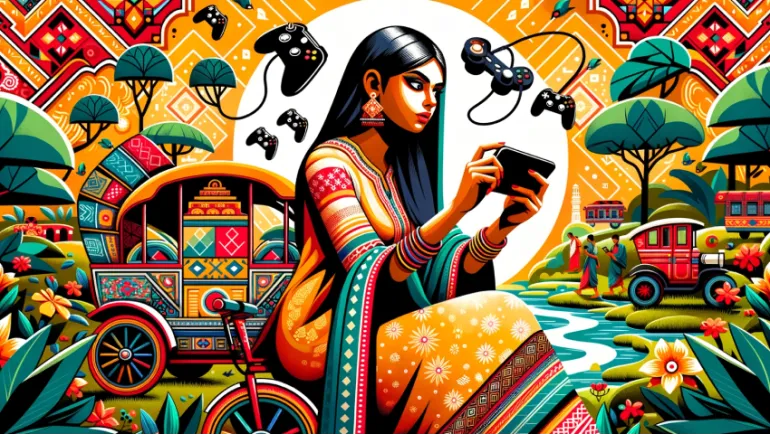
Something significant has shifted in how Bangladeshi youth spend their leisure time, form social connections, and think about career possibilities. Gaming, once dismissed as an unproductive distraction and viewed with suspicion by parents and educators, has evolved into one of the most dynamic cultural forces among young Bangladeshis. In 2026, gaming is not just entertainment. It is identity, community, competition, and increasingly, income.
Bangladesh's gaming population has surpassed 15 million active players, with the 15-to-30 age bracket accounting for the overwhelming majority. Mobile gaming dominates overwhelmingly because smartphones are accessible across economic backgrounds, while gaming PCs and consoles remain aspirational for most families.
The accessibility of mobile gaming is not an accident. Titles like PUBG Mobile, Free Fire, Mobile Legends: Bang Bang, and Call of Duty Mobile are deliberately designed for the hardware constraints, data cost sensitivities, and play-session lengths that characterize gaming in emerging markets. A player in Rajshahi with a mid-range smartphone and a mobile data plan can compete with players in Dhaka in real-time a remarkable democratization of competitive play.
For many young Bangladeshis, gaming communities both online and through local gaming cafés provide something that schools, workplaces, and traditional social structures often do not: a meritocratic environment where skill determines status, and shared passion creates genuine belonging.
Gaming clans and online teams form the same kind of social bonds that sports teams generate: common language, shared experiences, mutual respect based on performance, and a sense of collective identity that transcends geographic and economic differences.
The visibility of competitive gaming livestreamed on YouTube and Facebook, covered by dedicated gaming media, and celebrated through national tournaments with real prize pools, has given gaming a social legitimacy it previously lacked. Young players who once kept their gaming hobby quiet for fear of parental disapproval now cite specific professional players as aspirational role models.
Gaming content creation has produced a new category of cultural influence. Bangladeshi gaming YouTubers and TikTok creators who document their gameplay, reactions, tutorials, and commentary have built audiences in the hundreds of thousands creating a parasocial gaming culture where watching skilled players is as culturally engaged an activity as playing.
PUBG Mobile and Free Fire remain the two most culturally significant competitive titles responsible for more tournament activity, more content creation, and more daily active play than any other games in Bangladesh. Their squad-based gameplay encourages communication, teamwork, and the formation of lasting friend groups that extend beyond the game.
Mobile Legends: Bang Bang has built a strong competitive community, particularly in secondary cities where structured tournament participation is growing fastest. Valorant on PC is gaining ground among the segment of youth with access to gaming setups, drawn by its tactical depth and strong regional esports infrastructure.
Bangladesh's gaming café culture has transformed in 2026. Where earlier cafés were basic internet access points, today's urban gaming cafés offer high-specification gaming setups, stable internet, and organized tournament hosting that functions as genuine community infrastructure.
For young players without home gaming setups, gaming cafés provide access to hardware and competition that home gaming cannot. For those with their own devices, cafés serve as social gathering points where the shared experience of playing together in person is valued over the technical superiority of solo home play.
The recognition that gaming competence translates to viable career pathways is one of the most significant attitude shifts among Bangladeshi youth in 2026. Beyond competitive professional gaming, the ecosystem creates opportunities in tournament management, gaming journalism and content creation, team coaching and analysis, streaming production, and gaming café operation and management.
Young Bangladeshis who combine genuine gaming knowledge with communication, leadership, and entrepreneurial skills are positioned to build careers in an industry that is growing faster than most traditional sectors.
The biggest cultural challenge gaming culture faces in Bangladesh is the generational gap in parental perception. Most parents of today's young gamers grew up without digital entertainment and assess gaming through the lens of time that could be spent on education or productive work.
Changing this perception requires visible examples of young Bangladeshis who have built incomes, skills, and careers through gaming engagement and patient, honest family conversations about the real professional landscape that gaming culture is creating. The evidence is accumulating. The conversation is shifting. Gaming culture in Bangladesh is here to stay.












Comments
There are no comments for this Article.