




11 August 2026
|
8:10:45
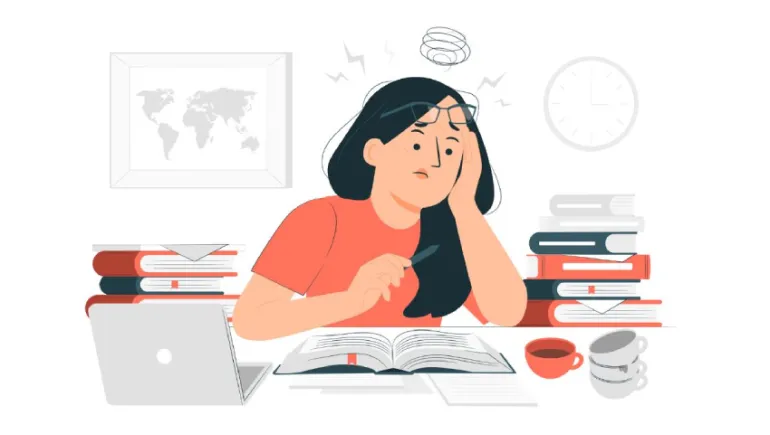
Bangladesh's youth mental health situation is, by any honest assessment, a crisis. The data is alarming, the treatment gap is severe, and the cultural stigma that prevents young people from seeking help remains deeply entrenched. Yet 2026 also brings reasons for cautious optimism growing awareness, expanding digital support resources, and a generation of young Bangladeshis who are speaking about mental health with a frankness that their predecessors rarely could. Understanding the scale of the problem is the foundation for changing it.
The statistics published by leading mental health researchers paint a stark picture. A 2024 study across 15 universities found that 28.7% of Bangladeshi university students experience moderate to severe depression, 25.4% report significant anxiety, 18.3% experience academic burnout, and 12.1% have considered self-harm.
According to the WHO's Special Initiative Country Report, 18.7% of adults and 12.6% of children in Bangladesh are at risk of mental illness, while approximately 92.3% of adults with mental disorders do not receive necessary treatment. Post-pandemic research shows a 37% increase in anxiety symptoms since 2019 and a 42% increase in depression rates among healthcare workers.
These numbers represent real people students sitting in classrooms, young professionals navigating their first jobs, teenagers managing academic pressure alongside social media exposure carrying psychological burdens largely in silence.
Several converging pressures create particular mental health vulnerability among Bangladesh's youth.
Bangladesh's education system places extraordinary weight on examination performance, with university entrance results determining perceived life trajectories. The gap between the number of students seeking university places and the available seats creates genuine, sustained anxiety that spans years of a young person's life.
Graduate unemployment, underemployment, and the gap between educational qualifications and available opportunities creates a chronic stress that compounds over time for young people who have invested enormously in education with uncertain returns.
Research on digital interventions in Bangladesh shows that 82% of urban youth prefer online mental health resources initially demonstrating digital channels' genuine reach potential. But the same platforms that provide community and awareness also drive comparison, cyberbullying, and the chronic anxiety that comes from curated highlight-reel social consumption.
The cultural weight of family honor and parental expectation while also providing genuine support structures creates psychological pressure that many young Bangladeshis find difficult to articulate or seek help with.
Negative attitudes toward mental illness and treatment are attributed to a lack of or inaccurate mental health knowledge. In many Bangladeshi communities, mental health struggles are interpreted as personal weakness, spiritual deficiency, or family shame interpretations that make help-seeking feel impossible even when suffering is severe.
Men face particular stigma pressure. Cultural definitions of masculinity in Bangladesh strongly discourage emotional vulnerability, making male mental health needs some of the least likely to be acknowledged or addressed within family and social contexts.
There is growing awareness about mental health issues and the need for timely intervention. As a result, more individuals are seeking therapy and counseling services to address their mental health concerns. There is a shift in societal attitudes towards mental health, with reduced stigma and increased acceptance of seeking help.
Social media despite its risks has also created spaces where young Bangladeshis share mental health experiences and challenge stigma through personal narrative and peer solidarity. Digital mental health platforms including Mindspace BD and telephone helplines like Kaan Pete Roi are expanding access for young people who face barriers to in-person professional support.
Naming your experience recognizing anxiety, depression, or burnout as health conditions rather than personal failures is the critical first step. Talking to a trusted peer, family member, or online community reduces the isolation that amplifies mental health struggles.
Accessing professional support through digital platforms which 82% of urban youth prefer for initial mental health contact is now more feasible than ever. Regular physical activity, consistent sleep, and reduced social media consumption all deliver measurable mental health benefits that complement professional support.
Mental health is not a weakness. For Bangladesh's youth, building the knowledge and courage to address it honestly is one of the most important acts of self-care and community responsibility available in 2026.












Comments
There are no comments for this Article.