




11 August 2026
|
8:10:45
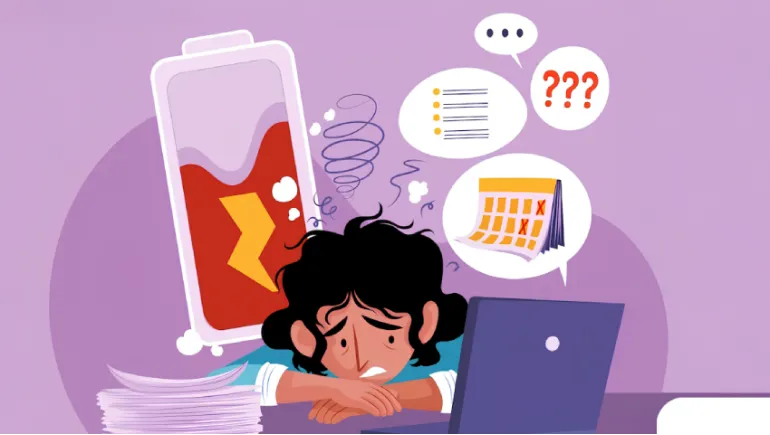
The numbers are unambiguous. The average adult now spends 7 hours and 4 minutes per day looking at a screen 49 hours per week, more than a full-time job. In Bangladesh, where smartphone penetration is high and social media engagement is among the most intensive in Asia, screen time has become one of the most significant unmanaged health variables in daily life. Understanding its genuine impacts and how to manage them is increasingly essential knowledge for anyone concerned about their health, focus, and long-term wellbeing.
Global screen time data for 2026 reveals a deepening trend. Fragmentation is increasing: average session length dropped from 3.7 minutes in 2023 to 2.8 minutes in 2026. Users are checking phones more frequently but in shorter bursts a pattern particularly damaging to focus and task completion. The average adult checks their phone 96 times per day.
For Bangladeshi users, social media consumption patterns mirror global trends. Facebook, YouTube, and TikTok Bangladesh's three largest platforms account for a substantial share of daily screen time, with short-form video now accounting for 43% of all social media time globally.
Screen use before sleep is one of the most clinically well-established health harms of excessive screen time. Sleep disruption from blue light delays melatonin production by 1.5 to 3 hours. Having a phone in the bedroom correlates with a 45-minute average delay in sleep onset. Daily screen use before bedtime is linked to later bedtimes, shorter sleep duration of approximately 50 minutes less per week, and a 33% higher prevalence of poor sleep quality.
For Bangladeshi students and young professionals whose performance depends on cognitive clarity, the sleep deficits driven by late-night phone use compound into measurable impairment of memory, attention, and emotional regulation over weeks and months.
CDC research published in 2025 found that about 1 in 4 teenagers with 4 or more hours of daily screen time reported anxiety (27.1%) or depression symptoms (25.9%) in the preceding two weeks. This data is consistent with broader mental health research indicating that high passive social media consumption scrolling rather than creating or connecting correlates with elevated anxiety, depression, and social comparison distress.
The mechanism is not simply time spent, but quality of that time. Research from University of Michigan confirms that screen time impact depends more on what you are doing and what you are not doing because of it than on raw hours. Passive consumption of social media content drives mental health harm; active creation, learning, or communication on the same platforms carries different and often more positive psychological signatures.
Working professionals lose 2.1 hours per day to social media distractions. Social media interruptions take 23 minutes for employees to refocus on tasks. Executives lose 6 hours weekly to social media, impacting strategic decisions. Unmanaged workplace screen time costs the US economy $151 billion per year.
At the individual level, this translates to lost income potential, slower career development, and chronic mental fatigue from the context-switching that constant notification checking creates. Every phone check during focused work resets attention in ways that accumulate into hours of lost productive capacity daily.
Use your smartphone's built-in screen time reporting tools to establish your actual daily usage across apps before attempting to change it. Most people significantly underestimate their screen time; accurate data creates more effective motivation for change than abstract concern.
Disable all non-essential notifications the primary driver of compulsive phone checking. Retain notifications only for direct communication from specific contacts; remove all social media, news, and promotional notifications. This single change reduces phone-checking frequency dramatically without requiring willpower discipline.
Designate specific windows for social media and email checking rather than responding to every notification impulse. Cutting even one hour of reactive screen time per day produces measurable improvements in motivation and mental health.
Remove phones from the bedroom or activate flight mode one hour before sleep. This single change protecting sleep from screen interference delivers health benefits equivalent to significantly reducing overall daily screen time, because sleep quality amplifies the recovery from all other daily activities.
Effective screen time reduction works better through replacement than restriction. Identify a physical activity, social interaction, or creative pursuit that occupies the time that screen reduction creates. Willpower alone rarely sustains behavioral change; structural replacement with genuinely appealing alternatives does.
Screen time management in 2026 is not about digital abstinence it is about intentional use that preserves the genuine benefits digital tools deliver while reclaiming the health, sleep, focus, and relationship quality that unmanaged screen consumption steadily erodes.












Comments
There are no comments for this Article.