




11 August 2026
|
8:10:45
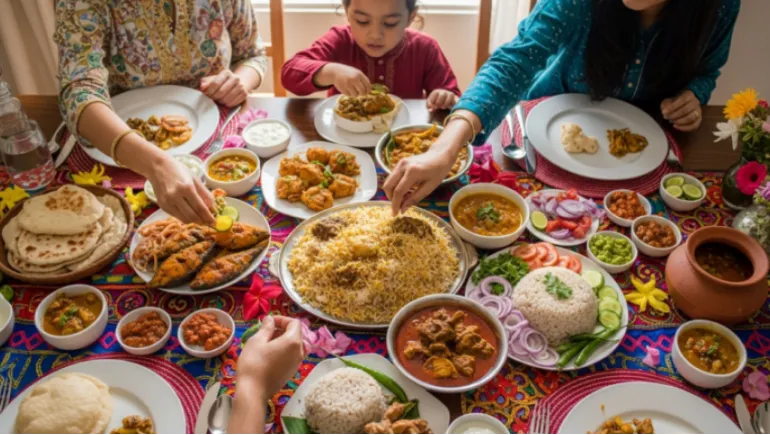
One of the most persistent misconceptions about healthy eating is that it requires abandoning traditional food in favor of imported superfoods, protein powders, and foreign diet plans that have no relationship to how most Bangladeshis actually live and cook. The truth is more practical and more encouraging: Bangladeshi cuisine, prepared with basic nutritional awareness, contains all the nutrients required for excellent long-term health. The challenge is not what you eat it is building the consistent habits that ensure you are eating it well.
Before identifying areas for improvement, acknowledging what traditional Bangladeshi food does exceptionally well is both accurate and motivating.
Dal (Lentils and Legumes) Masoor dal, moong dal, and chana are among the most nutritionally valuable foods available. High in plant protein, rich in dietary fiber that supports gut health and blood sugar regulation, and low in fat, dal eaten daily provides nutritional benefits that expensive protein supplements rarely surpass.
Fish Bangladesh's geography provides exceptional access to fresh fish including hilsa, rui, catla, and pangas. Fish provides lean, complete protein alongside omega-3 fatty acids that support cardiovascular health, brain function, and inflammation reduction. Consuming fish three to five times per week is a dietary habit that nutrition science consistently validates as health-protective.
Leafy and Seasonal Vegetables Spinach, mustard greens, lal shak, data shak, and the rotating seasonal vegetables available at Bangladesh's markets are nutritionally dense, low-calorie foods rich in vitamins, minerals, and antioxidants. Eating two to three servings of these vegetables daily provides micronutrient coverage that supplements cannot replicate as effectively.
Rice Bangladesh's dietary staple is a carbohydrate source that provides energy, and the issue with rice is not the food itself but the quantity consumed relative to protein, vegetable, and fat intake. A balanced plate where rice occupies one-third of the meal, with protein and vegetables occupying the remainder, provides appropriate carbohydrate energy without the blood sugar volatility that large rice portions alone create.
Protein is the most satiating macronutrient it reduces hunger, supports muscle maintenance, and moderates blood sugar response when eaten alongside carbohydrates. At every meal, ensure a protein source is present: dal, fish, eggs, chicken, or legumes. Making protein the foundation of each plate rather than an afterthought fundamentally improves the nutritional quality of a Bangladeshi diet without changing the cuisine's character.
Most Bangladeshi meals include vegetables, but typically as side dishes in modest quantities. Doubling the vegetable portion by adding extra torkari, beginning meals with a vegetable-based soup, or replacing some rice with additional vegetable dishes increases fiber, micronutrient density, and satiety without meaningfully increasing calories.
The highest-impact single dietary change for most Bangladeshi snackers is replacing biscuits, chips, and fried snacks with whole food alternatives: roasted chickpeas, boiled eggs, seasonal fruit, or a small amount of mixed nuts. The caloric difference across a week accumulates significantly, and the satiety from protein and fiber-rich snacks prevents the overeating at subsequent meals that high-sugar, low-nutrition snacks reliably cause.
Dehydration is commonly misidentified as hunger. Drinking a full glass of water before meals consistently reduces overconsumption. Replacing sweetened beverages commercial juice, carbonated drinks, and heavily sweetened tea with water or unsweetened drinks is one of the most impactful dietary changes available, reducing daily caloric intake by hundreds of calories for many Bangladeshis without any other dietary adjustment.
Traditional Bangladeshi cooking often uses more oil than nutritional value requires. Reducing cooking oil by even one-third through careful measurement rather than free pouring meaningfully reduces daily caloric intake without changing the flavor profile of most dishes, as the spices and aromatics that define Bangladeshi cooking remain intact.
Healthy eating is not about individual meal perfection; it is about consistent patterns maintained over weeks and months. A single celebratory feast or traditional family meal does not disrupt a consistently maintained dietary approach. Return to your regular habits for the following meal without guilt, and the long-term pattern determines your health outcomes, not any individual deviation from it.
Bangladeshi food is nutritious, flavorful, and entirely compatible with excellent long-term health. The adjustments needed are habitual and proportional, not structural or cultural.












Comments
There are no comments for this Article.