




25 September 2026
|
8:10:45
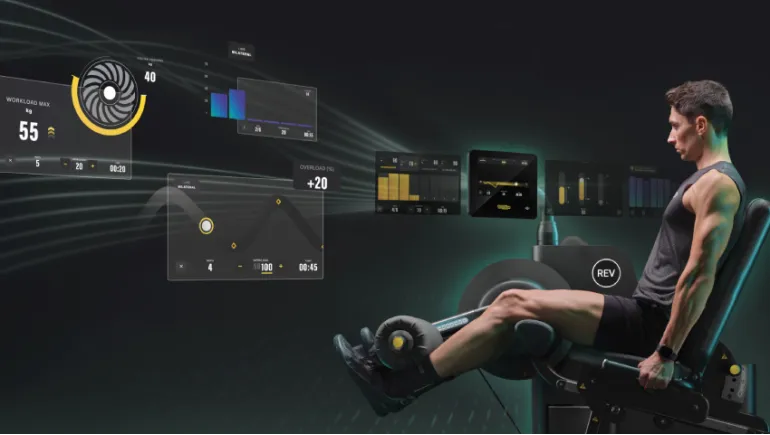
The way Bangladeshis approach health and fitness has shifted substantially over the past three years. What was once a niche pursuit concentrated among urban professionals has become a broad cultural movement driven by rising health awareness, social media influence, post-pandemic lifestyle re-evaluation, and genuine accessibility improvements. In 2026, Bangladesh's fitness scene is no longer simply adopting global trends. It is adapting them with local intelligence and building a distinctly Bangladeshi wellness culture.
The most important change happening in fitness globally and clearly visible in Bangladesh's evolving gym and wellness culture is a fundamental shift in motivation. National surveys from the American College of Sports Medicine reveal that mental well-being is now the top reason people choose to exercise, ranking ahead of fitness or appearance. Exercise is now being embraced as much for the mind as for the body, serving as a go-to strategy for stress relief, mood, and resilience.
In Bangladesh, this mirrors what wellness practitioners are observing in Dhaka's rapidly expanding gym scene: people are joining fitness programs to manage work stress, improve sleep, and build sustainable energy not just to lose weight or build muscle for aesthetic reasons. This shift toward longevity and wellbeing as primary fitness motivators represents a cultural maturation of enormous significance for how fitness services and products are designed and delivered.
In 2026, AI has moved beyond trend status in the fitness world. AI will become the backbone of programming, member communication, scheduling, personalization and staffing. Gyms will use AI to reduce labor costs, predict member churn and automate daily operations.
For Bangladeshi fitness enthusiasts particularly those in cities where premium gym access is expensive or logistically challenging AI fitness apps deliver personalized workout programming, real-time form correction through camera-based analysis, and adaptive training plans that adjust based on how your body is responding. Apps including Nike Training Club, Freeletics, and newer AI-driven platforms provide coaching quality that was previously accessible only through expensive personal trainers.
Smart wearables smartwatches, fitness bands, heart rate monitors have become increasingly common in Bangladesh's urban fitness community. The evolution in 2026 is that wearables are moving from tracking to programming. Trainers and coaches now say: "Your workout will no longer be planned around guesswork. It will be programmed by your physiology, updated in real time by the data your wearables already collect."
Devices measuring heart rate variability, sleep quality, and recovery status enable genuinely data-informed training decisions knowing when to push hard and when to prioritize recovery is as important as the workout itself.
The era of single-modality training running only, or lifting only is giving way to hybrid programs that combine strength, cardiovascular fitness, and mobility in integrated sessions. This workout trend appeals to both casual exercisers and serious athletes who want versatility, balance, and long-term performance. It is also a natural fit for longevity-focused consumers who prioritize sustainable, all-around fitness.
For Bangladesh's urban gym culture, hybrid group classes that combine elements of strength training, cardio intervals, and mobility work are among the fastest-growing class formats delivering more complete fitness development in less time than single-focus training.
Rest is part of training, not a break from it. Fitness in 2026 is shifting toward recovery as a direct path to progress. When you give your body time to repair between sessions, muscles rebuild stronger and energy levels improve.
Recovery tools including percussion massage devices, improved sleep hygiene practices, and structured rest days are increasingly part of Bangladeshi fitness culture. Premium gym facilities in Dhaka are adding recovery amenities steam rooms, massage chairs, and contrast therapy options that signal how seriously the industry now treats recovery as integral to fitness outcomes.
Functional strength training focuses on exercises that improve performance in everyday movements lifting, twisting, reaching, and balancing. Unlike traditional weightlifting that isolates muscles, this style trains movement patterns, producing fitness that directly improves daily life quality.
For Bangladesh's working population spending long hours sitting at desks, functional fitness that corrects postural imbalances and strengthens the movement patterns most compromised by sedentary work delivers practical, immediate benefits that resonates strongly with the longevity motivation driving 2026's fitness decisions.












Comments
There are no comments for this Article.